
.jpeg)
Is tofacitinib classified as a targeted agent or a traditional immunomodulator?
Tofacitinib(Tofacitinib) is classified as a "targeted small molecule drug" and occupies a special position in the drug system for the treatment of immune diseases. Compared with traditional immunomodulators such as methotrexate, sulfasalazine and other broad-spectrum immunosuppressive drugs, the mechanism of action of tofacitinib is more specific and targeted. It does not only achieve therapeutic effects by suppressing the entire immune system, but precisely intervenes in the key link in the cytokine signaling process, namely the Janus kinase (JAK) signaling pathway.
Tofacitinib is aJAK inhibitor that mainly targets JAK1 and JAK3, and partially acts on JAK2. JAK kinase is a group of intracellular enzymes coupled to a variety of cytokine receptors, mediating the transduction of cytokine signals in immune cells. By inhibiting the activity of JAK kinase, tofacitinib blocks the transmission of cytokine signals, thereby inhibiting the release of pro-inflammatory factors such as IL-2, IL-6, IL-15, and interferon in the immune system. This mode of action allows tofacitinib to minimize interference with normal immune function while controlling the immune response, and its treatment is more targeted. Therefore, it is internationally recognized as a "targeted immunomodulatory drug" or "targeted synthetic disease-modifying antirheumatic drug (tsDMARD)".
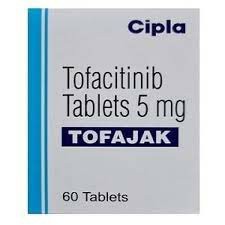
Compared with traditional DMARDsTofacitinib has a faster onset of action, is convenient to take orally, and does not require cold chain transportation or injection like biologics. It has shown good efficacy in the treatment of rheumatoid arthritis, psoriatic arthritis, ulcerative colitis and other autoimmune diseases. Especially for some patients who have poor response toTNF-α antagonists and biological agents, tofacitinib provides a new treatment option. It is worth noting that the use of tofacitinib is also associated with certain risks, such as herpes zoster infection, elevated blood lipids, abnormal liver function, risk of thrombosis, etc. Therefore, biochemical indicators and infection risks need to be regularly monitored during treatment.
From the perspective of drug classification, tofacitinib does not belong to traditional broad-spectrum immunosuppressants, nor is it different from biological agents with protein structures. Instead, it is classified as an "oral small molecule targeted drug." In international guidelines (such as ACR, EULAR) and the drug catalog of the US FDA, tofacitinib is used as a tsDMARD, alongside biological agents (bDMARD) such as adalimumab, etanercept, etc., and is an important part of the treatment strategy for modern autoimmune diseases.
To sum up, tofacitinib clearly belongs toIn the category of "targeted drugs", it provides more precise treatment options for patients with various immune diseases with its specific JAK target intervention method. Although it has similar clinical applications to traditional immunomodulators, its mechanism of action, onset of action, and safety monitoring requirements all reflect the modern drug concept of "targeted therapy." In the future, with the further expansion of JAK inhibitors in different disease fields, tofacitinib will continue to be an important option for first-line treatment or combination treatment, bringing more optimized personalized treatment paths to patients.
Reference materials:https://www.xeljanz.com/
[ 免责声明 ] 本页面内容来自公开渠道(如FDA官网、Drugs官网、原研药厂官网等),仅供持有医疗专业资质的人员用于医学药学研究参考,不构成任何治疗建议或药品推荐。所涉药品可能未在中国大陆获批上市,不适用于中国境内销售和使用。如需治疗,请咨询正规医疗机构。本站不提供药品销售或代购服务。


