
.jpeg)
What is the difference in the mechanism of action between erlotinib and gefitinib?
Erlotinib (Erlotinib) and gefitinib (Gefitinib) are two current treatments for EGFR mutated non-small cell lung cancer (NSCLC). A common first-generation tyrosine kinase inhibitor (EGFR-TKI), which are administered orally, mainly inhibits the growth of cancer cells by competitively inhibiting the activity of epidermal growth factor receptor (EGFR) tyrosine kinase and blocking the cell proliferation and anti-apoptosis mechanisms downstream of the EGFR signaling pathway. However, although the two drugs have the same target, there are still certain differences in their molecular structure, pharmacokinetic characteristics, clinical manifestations and drug resistance mechanisms, which affects clinical selection and the formulation of individualized treatment strategies.
From the perspective of mechanism of action, both target the EGFR tyrosine kinase domain. They are particularly effective in patients with mutations in exons 18 to 21, especially the most common L858R point mutations and exon 19 deletion mutations. Gefitinib has a slightly smaller molecular weight and is slightly more lipophilic, so its distribution in some tissues may be slightly different. Erlotinib shows stronger binding ability to EGFR tyrosine kinase and shows higher inhibitory activity than gefitinib in in vitro experiments. However, this difference does not significantly affect its overall efficacy, but is more reflected in the plasma concentration and toxicity of the drug. The half-life of gefitinib in the body is about 48 hours, while that of erlotinib is 36 hours. Both can be administered once a day, but the bioavailability of erlotinib is significantly affected by food, so it is recommended to take it on an empty stomach, while gefitinib is relatively less affected by food.
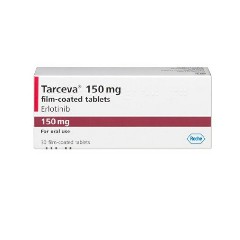
In terms of clinical efficacy, large clinical trials such asIPASS and OPTIMAL have shown that both have significant progression-free survival advantages in Asian non-smoking female patients with positive EGFR mutations. However, in terms of toxic and side effects, erlotinib has a relatively high incidence of skin adverse reactions (such as acne-like rash) and diarrhea, while gefitinib is more likely to cause elevated liver enzymes or hepatotoxicity. Therefore, in patients with abnormal liver function or skin sensitivity, there will be a certain tendency in drug selection. In addition, erlotinib is highly dependent on the metabolism of liver enzymes such as CYP3A4 and CYP1A2, and is more easily affected by other drugs or smoking, and its plasma concentration fluctuates more significantly. This is a key factor to consider when long-term maintenance treatment is required.
In terms of resistance mechanisms, both are equally susceptible to acquired resistance due to secondary mutations in EGFR T790M. In addition, MET amplification, HER2 amplification, PIK3CA mutations or epidermal-mesenchymal transition (EMT) are also common causes of resistance. Due to the similarity of these resistance mechanisms, subsequent treatment strategies usually shift to third-generation EGFR-TKI treatment such as Osimertinib. Therefore, the choice between erlotinib and gefitinib in the initial treatment phase is often based on the patient's individual condition, tolerance of toxic side effects, concomitant medication, and economic accessibility.
It is worth mentioning that with the improvement of drug accessibility and the launch of domestic generic drugs, both erlotinib and gefitinib have become one of the basic options for clinical treatment of EGFR mutated NSCLC in China and have been included in the medical insurance catalog. Although the two mechanisms are consistent, in practice doctors will make dynamic adjustments based on patient response and genotype to achieve personalized medication under the concept of precision medicine. Therefore, in clinical use, we should not simply judge the advantages and disadvantages based on "which one is stronger", but should fully consider the patient's overall condition, expected toxicity and subsequent treatment paths to formulate the most appropriate treatment plan.
Reference materials:https://en.wikipedia.org/wiki/Erlotinib
[ 免责声明 ] 本页面内容来自公开渠道(如FDA官网、Drugs官网、原研药厂官网等),仅供持有医疗专业资质的人员用于医学药学研究参考,不构成任何治疗建议或药品推荐。所涉药品可能未在中国大陆获批上市,不适用于中国境内销售和使用。如需治疗,请咨询正规医疗机构。本站不提供药品销售或代购服务。


