
.jpeg)
What are the common side effects of erlotinib and how to deal with them?
Erlotinib (Erlotinib) is a tyrosine kinase inhibitor targeting EGFR. The common adverse reactions in the treatment of non-small cell lung cancer are mainly due toEGFR is widely distributed in normal epithelial cells, especially in the skin and gastrointestinal mucosa. The most common adverse reaction is rash, with an incidence rate of more than 75%. It is mostly acneiform dermatitis, which is common in areas rich in sebaceous glands such as the face, chest and back. It usually appears 1 to 2 weeks after treatment. In severe cases, scabs, desquamation and even secondary infections may occur. It is generally believed that the appearance of rash is positively related to the efficacy, but if it affects the quality of life, topical antibiotics such as erythromycin and clindamycin gel, or oral tetracyclines such as minocycline can be considered to control symptoms. In cases of severe rash or extensive skin damage, your doctor may recommend temporarily discontinuing the medication or reducing the dose.
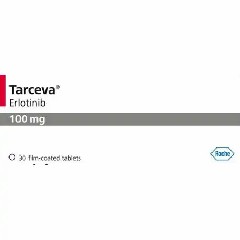
The second is gastrointestinal reactions, mainly diarrhea, nausea, vomiting, and loss of appetite. The incidence of diarrhea is about 30%-50%. Mild diarrhea can be relieved by adjusting the diet or using antidiarrheal drugs such as loperamide. Severe diarrhea requires close rehydration and evaluation of whether to continue taking medication under the guidance of a doctor. Erlotinib can also cause symptoms such as oral mucositis, stomach pain, and indigestion. If necessary, antacids or mucosal protective agents can be supplemented.
In terms of laboratory indicators, patients may experience mild elevations in ALT, AST or bilirubin. Especially when combined with liver disease or taking other hepatotoxic drugs, liver function should be monitored regularly. Once abnormalities occur ≥ 2 times or more, the drug correlation needs to be evaluated and the dosage adjusted as appropriate. A more serious but rare adverse reaction is interstitial lung disease (ILD). When symptoms such as progressive dyspnea, dry cough, fever, etc. occur, you should be highly vigilant, conduct imaging examinations in a timely manner, stop the drug immediately, and start hormone therapy.
Reference materials:https://en.wikipedia.org/wiki/Erlotinib
[ 免责声明 ] 本页面内容来自公开渠道(如FDA官网、Drugs官网、原研药厂官网等),仅供持有医疗专业资质的人员用于医学药学研究参考,不构成任何治疗建议或药品推荐。所涉药品可能未在中国大陆获批上市,不适用于中国境内销售和使用。如需治疗,请咨询正规医疗机构。本站不提供药品销售或代购服务。


