
.jpeg)
What types of diseases are mitotane mainly used to treat?
Mitotane is a highly specific adrenocortical toxicity drug. Its main indication is adrenocortical cancer (Adrenocortical Carcinoma, ACC), which is a rare but highly malignant solid tumor originating from the adrenal cortex with a low incidence but poor prognosis. Mitotane is currently the only targeted drug approved for the treatment of ACC in the world. It is especially suitable for patients who cannot be surgically removed, have postoperative recurrence or have distant metastasis. It is also used as postoperative adjuvant therapy to delay the risk of recurrence. Its mechanism of action is unique. It not only has the toxic effect of selectively destroying adrenocortical cells, but also effectively inhibits the synthesis of corticosteroids, thereby providing endocrine control for patients with functional tumors (such as those that secrete excessive cortisol or androgens [ACC]).
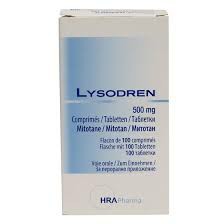
In addition toACC, mitotane is also used in some special cases to treat primary or secondary Cushing's syndrome (Cushing's syndrome), especially in patients with excessive secretion of steroids due to adrenal cortical hyperplasia or tumors and who are intolerant to or failed surgery. By inhibiting adrenocortical hormone synthesis and promoting cortical cell necrosis, mitotane can significantly reduce plasma cortisol levels in such patients, thereby improving symptoms of metabolic disorders such as hyperglycemia and hypertension. However, due to its slow onset of action, long half-life, narrow therapeutic window, and difficulty in managing adverse reactions, it is usually used as a second-line drug in the treatment of Cushing's syndrome and needs to be combined with hormone replacement and monitoring strategies.
Clinically, the use of mitotane requires long-term maintenance treatment, and its therapeutic effect is closely related to blood concentration, which needs to be maintained within the effective concentration range of 14~20 μg/mL through blood monitoring. Exceeding this concentration may result in neurologic toxicity, while insufficient may result in poor efficacy. Because its metabolism is mainly through the liver and can significantly induce the activity of drug-metabolizing enzymes, mitotane can also affect the metabolism of multiple drugs, so special attention must be paid to drug interactions in combined treatment options.
In summary, mitotane, as a highly targeted anti-adrenal drug, is currently mainly used for the treatment of adrenocortical cancer and is one of the important treatments for patients with ACC. In addition, it is also used in endocrinology departments as an alternative for excessive hormone secretion diseases such as Cushing's syndrome. Due to the complexity of its use and the need to control toxic side effects, individualized monitoring and management are usually required in professional centers.
Reference materials:https://go.drugbank.com/drugs/DB00648
[ 免责声明 ] 本页面内容来自公开渠道(如FDA官网、Drugs官网、原研药厂官网等),仅供持有医疗专业资质的人员用于医学药学研究参考,不构成任何治疗建议或药品推荐。所涉药品可能未在中国大陆获批上市,不适用于中国境内销售和使用。如需治疗,请咨询正规医疗机构。本站不提供药品销售或代购服务。


