
.jpeg)
Which drug category does mitotane belong to?
Mitotane is an adrenocortical toxic drug with specific effects and belongs to the category of anti-adrenolytic agents. In the broader drug classification system, mitotane is classified as a "cytotoxic drug" branch of anti-tumor drugs, but its mechanism is different from traditional chemotherapy drugs. It is a synthetic dichlorodiphenyltrichloroethane (DDT) derivative that has the ability to act highly selectively on adrenocortical tissue, causing adrenocortical cell necrosis and atrophy, and significantly inhibiting the synthesis of corticosteroid hormones, so it has dual cytotoxic and endocrine inhibitory effects.
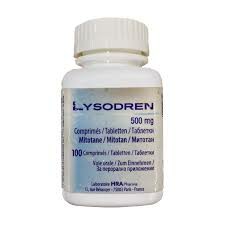
Different from traditional chemotherapy drugs, mitotane has a more specific target. It does not broadly inhibit all rapidly dividing cells, but focuses on adrenocortical cells, which are particularly sensitive to highly hormone-secreting malignant tumor tissues such as adrenocortical carcinoma (ACC). Its pharmacological mechanism mainly includes interference with mitochondrial function of adrenocortical cells and interference with the expression of steroid biosynthetic enzymes, resulting in a significant decrease in cortisol and other hormones. In addition, mitotane can also regulate the activity of steroid hormone metabolic enzymes in the liver and accelerate hormone degradation. In clinical practice, it is often used in conjunction with hormone replacement therapy to control side effects.
Due to Mitotane’s unique mechanism of action and its strong need for toxic and side effect management, its use is subject to strict indication restrictions. It is usually only used in patients diagnosed with adrenocortical cancer and requires long-term monitoring under the guidance of an experienced endocrine tumor team. This drug is currently considered an orphan drug in many countries around the world and is only supplied by restricted manufacturers (such as Germany's HRA Pharma). It is precisely positioned in the treatment of rare but highly malignant adrenal gland-related tumors and represents a classic drug model for targeted organ toxicity strategies in the management of solid tumors.
Reference materials:https://go.drugbank.com/drugs/DB00648
[ 免责声明 ] 本页面内容来自公开渠道(如FDA官网、Drugs官网、原研药厂官网等),仅供持有医疗专业资质的人员用于医学药学研究参考,不构成任何治疗建议或药品推荐。所涉药品可能未在中国大陆获批上市,不适用于中国境内销售和使用。如需治疗,请咨询正规医疗机构。本站不提供药品销售或代购服务。


