
.jpeg)
What are the main effects and possible side effects of erlotinib?
Erlotinib (Erlotinib) is an oral, small molecule tyrosine kinase inhibitor that mainly targets the epidermal growth factor receptor (EGFR) signaling pathway. It is widely used to treat non-small cell lung cancer (NSCLC), especially for patients with EGFR activating mutations, and is often used as first-line, second-line or maintenance treatment. In addition, erlotinib has also been approved for the treatment of pancreatic cancer, especially when combined with gemcitabine, showing certain clinical benefits. Its mechanism mainly inhibits the phosphorylation process of EGFR and blocks cell proliferation signals, thereby slowing down the growth of cancer cells and inducing apoptosis. Clinical studies have shown that after EGFR mutation-positive patients are treated with erlotinib, the tumor control rate and progression-free survival are significantly better than those with traditional chemotherapy, especially in Asian female non-smokers.
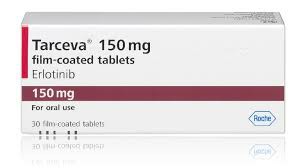
Although erlotinib has clear efficacy in the field of targeted therapy, it also has a certain risk of side effects. The most common side effects include rash, diarrhea, fatigue and stomatitis, especially skin toxicity, manifested as acneiform dermatitis, which often occurs in the early stages of treatment and is usually a dose-dependent reaction. In addition, some patients have experienced less common but serious adverse reactions such as eye discomfort, abnormal liver function, nail lesions, and interstitial lung disease. For patients with liver function impairment or a history of smoking, special attention should be paid to blood concentration and toxic reactions, because smoking can significantly reduce the active concentration of erlotinib in the body, thus affecting the efficacy.
Therefore, during the use of erlotinib, doctors usually make individualized adjustments based on the patient'sEGFR mutation status, liver and kidney function, comorbidities, and whether other drugs are used at the same time. During treatment, regular assessment of skin condition, monitoring of liver function indicators, and patient-reported gastrointestinal symptoms are key to ensuring the safety of treatment. Intervention can be performed by temporarily discontinuing the drug, reducing the dose, or adding auxiliary drugs when necessary.
Reference materials:https://en.wikipedia.org/wiki/Erlotinib
[ 免责声明 ] 本页面内容来自公开渠道(如FDA官网、Drugs官网、原研药厂官网等),仅供持有医疗专业资质的人员用于医学药学研究参考,不构成任何治疗建议或药品推荐。所涉药品可能未在中国大陆获批上市,不适用于中国境内销售和使用。如需治疗,请咨询正规医疗机构。本站不提供药品销售或代购服务。


