
.jpeg)
Regorafenib dosage and medication recommendations
Regorafenib is a multi-target tyrosine kinase inhibitor (TKI) with broad-spectrum anti-cancer activity and has been widely used in advanced tuberculosis. Treatment of various solid tumors such as intestinal cancer, gastrointestinal stromal tumor (GIST), and hepatocellular carcinoma (HCC). As an oral anti-cancer targeted drug, the therapeutic effect of regorafenib has been widely verified in clinical practice around the world. However, because it involves multiple targets and may cause certain adverse reactions, the drug should be used rationally and strictly in accordance with the guidance of a doctor during use.
1. Recommended usage and standard dosage
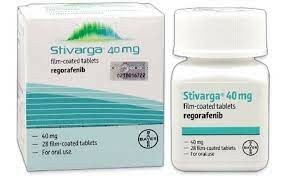
According to the official instructions for regorafenib, the recommended usage is oral administration, once a day, continuously for 21 days and then discontinued for 7 days, forming a complete 28 day treatment cycle. The standard recommended dose is 160mg per day, i.e. 4 tablets 40mg tablets, which should be taken in one go within about 30 minutes after a meal.
It should be noted that regorafenib should be swallowed whole and should not be chewed or crushed before taking. In addition, it is recommended that patients take medication at a fixed time every day to maintain stable drug concentration in the body, improve efficacy and reduce fluctuations in toxic and side effects.
2. Suggestions for individualized dose adjustment
Although160mg is the conventional starting dose, because regorafenib may cause many adverse reactions, such as hand-foot syndrome, fatigue, diarrhea, hypertension, etc., some patients cannot tolerate the standard dose during actual treatment. Therefore, in clinical application, doctors will flexibly adjust the dosage according to the patient's constitution, liver and kidney function, drug tolerance and other factors. Common dosage adjustment methods include:
The starting dose for the first dose can be 80mg or 120mg and observe whether there are any obvious adverse reactions;
If the patient tolerates it well, the dose can be gradually increased to the standard160mg;
In the event of serious adverse reactions (such as severe rash, bleeding, elevated liver enzymes, etc.), the medication can be suspended or the dose reduced;
Some patients need to maintain a maintenance dose of 120mg or 80mg during long-term use to ensure quality of life.
Therefore, the actual use of regorafenib should be guided by professional oncologists, and patients are not recommended to increase or decrease the dose on their own.
3. Precautions when taking medication
In order to maximize the efficacy of regorafenib and reduce adverse reactions, patients should pay special attention to the following points while taking the drug:
1.Taking after meals: It is recommended to take it within about 30 minutes after a low-fat meal. Research shows that a high-fat diet will significantly increase the absorption of regorafenib in the body, which may aggravate side effects; and taking it on an empty stomach may affect the efficacy of the drug.
2.Avoid taking it with grapefruit juice: Grapefruit and its juice will inhibit the activity of liver enzymeCYP3A4, thus affecting the metabolism of regorafenib, which may lead to an increase in blood concentration and increase the risk of toxicity.
3. Regular examinations: It is recommended to conduct regular examinations of liver function, kidney function, electrolytes, blood pressure and electrocardiogram during treatment to promptly assess the impact of the drug on the body, especially during the first few courses of treatment, which should be closely monitored.
4.Pay attention to drug interactions: Regorafenib may interact with other drugs, especially certain antibiotics, anti-epileptic drugs, antifungal drugs, etc. Before taking other prescription drugs or supplements, you should inform your doctor in advance.
5.Manage adverse reactions: Common adverse reactions of regorafenib include hand-foot syndrome, fatigue, diarrhea, loss of appetite, etc. You should learn how to deal with them in advance. For example, use hand and foot cream, reduce friction, pay attention to dietary hygiene, etc. If symptoms are severe, seek medical treatment promptly.
4. Treatment course and treatment evaluation
Regofenib treatment is usually carried out in cycles, and effective patients can continue to take multiple courses of treatment until the disease progresses or the toxic and side effects are intolerable. After taking 2 to 3 courses of treatment, patients will generally undergo imaging evaluation (such as CT or MRI) to observe changes in lesions and judge the efficacy. If the tumor shrinks significantly or is stable, and the patient tolerates it well, treatment can continue; if the tumor progresses rapidly or severe side effects occur, the regimen may need to be changed.
In practical applications, some patients can achieve long-term disease control after using regorafenib. Especially in the third-line treatment of colorectal cancer or the second-line treatment of liver cancer, regorafenib has been widely recommended by international guidelines and is one of the standard treatment options.
5. Patient medication recommendations and life management
In order to better cooperate with regorafenib treatment, patients should also pay attention to a balanced diet, moderate exercise, avoid staying up late, and enhance body immunity in daily life. At the same time, you should maintain a good attitude, establish good communication with doctors, and actively cooperate with follow-up visits and medication monitoring.
In addition, if patients choose to purchase generic versions of regorafenib through overseas channels, they should ensure that the drug comes from a regular source and take it under the guidance of professionals to avoid adverse reactions or poor efficacy caused by self-medication.
Overall, regorafenib is a targeted drug that exhibits significant anti-tumor activity in a variety of solid tumors. Rational use of this drug and strict compliance with usage and dosage are the keys to ensuring the therapeutic effect and reducing the occurrence of adverse reactions. For different cancer types and individual patient differences, the medication strategy of regorafenib should be flexibly adjusted based on the evaluation of professional doctors to help patients achieve better survival benefits and quality of life.
Reference materials:https://www.stivarga-us.com/
[ 免责声明 ] 本页面内容来自公开渠道(如FDA官网、Drugs官网、原研药厂官网等),仅供持有医疗专业资质的人员用于医学药学研究参考,不构成任何治疗建议或药品推荐。所涉药品可能未在中国大陆获批上市,不适用于中国境内销售和使用。如需治疗,请咨询正规医疗机构。本站不提供药品销售或代购服务。


