
.jpeg)
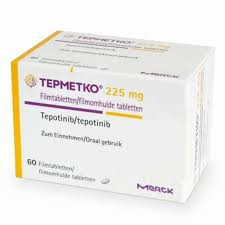
Tepotinib instruction manual content and usage brief introduction
Tepotinib is an oral small molecule targeted drug, mainly used to treat patients with non-small cell lung cancer (NSCLC) with MET gene skip mutations. As a highly selective MET tyrosine kinase inhibitor, tepotinib can effectively inhibit abnormal signaling in tumor cells caused by abnormal activation of the MET gene, thereby inhibiting the proliferation, invasion and metastasis of cancer cells. The drug has been approved for marketing in many countries, bringing more targeted treatment options to lung cancer patients with specific gene mutations.
1. Indications
The main indication of Tepotinib is the treatment of adults with locally advanced or metastatic non-small cell lung cancer carrying METexon14 skipping mutations (METex14 skipping). This type of mutation accounts for about 3%-4% of NSCLC patients. It is a rare but well-targeted genetic abnormality in lung cancer. It usually has a poor prognosis and responds poorly to conventional chemotherapy or immunotherapy. Therefore, tepotinib provides a more precise treatment for these patients.
In2021, the U.S.FDA and the European Medicines Agency (EMA< /span>) has successively approved tepotinib for the treatment of METex14 mutation-positive NSCLC patients. In addition, Japan is the first country in the world to approve the marketing of tepotinib. At present, the drug has not yet been officially launched in mainland China, but some patients can obtain it through overseas pharmacies or medical channels.
2. Usage and dosage
According to the drug instructions, the recommended dose of Tepotinib is 450 mg once daily (3 capsules150 mg capsules). It is recommended to take it orally after a meal and avoid using it on an empty stomach. The long half-life of tepotinib supports a once-daily dosing model, making it easier for patients to adhere to the medication.
If the patient experiences serious adverse reactions, the doctor may adjust the dose based on individual tolerance, including suspending the medication, reducing the dose, or permanently discontinuing the medication. Common dose adjustment situations include abnormal liver function, severe edema, interstitial lung disease (ILD) or other intolerable adverse reactions.
Patients should avoid taking strong drugs at the same timeCYP3AInhibitors or inducers to avoid affecting drug metabolism. In addition, it is recommended that patients take medication at a fixed time every day to maintain stable blood concentration and improve efficacy.
3. Adverse reactions
Tepotinib is generally well tolerated, but it may also cause a series of adverse reactions. The most common side effects include peripheral edema (especially lower extremity edema), nausea, fatigue, diarrhea, increased creatine kinase, decreased appetite, etc. Some patients may experience abnormal liver function indicators during treatment, and liver enzyme levels need to be monitored regularly.
In the global clinical trialVISION study, about63% of the patients experienced varying degrees of edema, which is one of the most common adverse reactions. Although most of them are mild to moderate, some patients need to suspend treatment or reduce the dose due to severe edema.
In addition, Tepotinib needs to be alert to rare but serious adverse events, such as drug-induced interstitial lung disease (ILD). Once symptoms such as dyspnea, dry cough, fever, etc. occur, the drug should be discontinued immediately and seek medical treatment in time.
4. Monitoring and precautions
During the period of using Tepotinib, doctors will regularly conduct liver function, blood routine, electrolyte and renal function tests on the patient to monitor the potential impact of the drug on the body. Especially when edema, elevated liver enzymes or respiratory symptoms occur, the treatment plan needs to be adjusted in time.
In addition, in order to ensure that the drug is targeted, molecular diagnostic technologies such as NGS (next generation sequencing) or PCR testing must be used to determine whether the patient has MET exon 14 skipping mutations before treatment. The drug is not suitable for patients in whom such mutations have not been detected.
Female patients should avoid becoming pregnant during treatment and for at least one week after stopping the drug, and it is recommended to use effective contraceptive measures while taking the drug. There is insufficient data to show whether this medicine is safe for use in pregnant or breastfeeding women, so the benefits and risks need to be weighed before use.
Tepotinib is currently one of the representative targeted drugs for METex14 mutated non-small cell lung cancer worldwide, and has become the new standard of treatment in this field alongside similar drugs Capmatinib (Capmatinib). The VISION study showed that tepotinib achieved a high objective response rate (ORR) and durable disease control rate in METex14 positive patients, providing clear benefits to this type of lung cancer patients.
In the future, Tepotinib may also expand its indications for the treatment of other cancer types related to MET amplification, including gastric cancer, liver cancer, etc. Multiple clinical trials are currently underway and are expected to further expand its clinical application value.
In general, tepotinib is an oral targeted drug with clear target, reliable efficacy and convenient administration. It is especially suitable for patients with MET mutation-positive lung cancer. With the popularization of detection technology and the accumulation of clinical experience, this drug is expected to play an increasingly important role in the field of precision medicine, helping more lung cancer patients achieve long-term control and better quality of life.
Reference materials:https://www.tepotinib.com/
[ 免责声明 ] 本页面内容来自公开渠道(如FDA官网、Drugs官网、原研药厂官网等),仅供持有医疗专业资质的人员用于医学药学研究参考,不构成任何治疗建议或药品推荐。所涉药品可能未在中国大陆获批上市,不适用于中国境内销售和使用。如需治疗,请咨询正规医疗机构。本站不提供药品销售或代购服务。


