
.jpeg)
Camizestrant combined with ribociclib/ribociclib may be safe and effective in the treatment of ER+/HER2- breast cancer
Study results show that Camizestrant combined withribociclib/ribociclib has been proven to be effective and tolerable in patients with ER-positive/HER2-negative advanced breast cancer.
Results from the Phase 1 SERENA-1 study are due to be published in 2024, specifically the portion of the study that looked at the safety and effectiveness of 75 mg of Camizestrant daily versus 400 mg or 600 mg of reboxil at 21 days and 7 days off. As of the data cutoff date, 60 patients had received the combination therapy, with 22 still receiving treatment. The median duration of treatment was 7.5 months in the 400 mg rebociclib group and 5.6 months in the 600 mg rebociclib group. Median progression-free survival (PFS) was 8.1 months in the 400 mg group and 8.1 months in the 600 mg group, while the objective response rate (ORR) with measurable or unmeasurable disease at baseline was 11.1% (3 of 27 patients) in the 400 mg group and 12.5% u200bu200b(4 of 32 patients) in the 600 mg group.
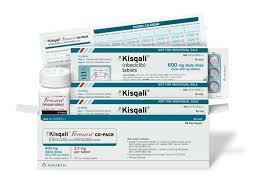
The investigators defined CBR24 as the percentage of patients with a best objective response of complete response (CR) or partial response (PR) within the first 25 weeks or with stable disease (SD) for at least 23 weeks after treatment initiation, 55.6% (15 of 27 patients) in the 400mg group and 53.1% (17 of 32 patients) in the 600mg group. Among patients who had previously received fulvestrant, the incidence rates of CBR24 were 55.6% and 47.6% in the 400 mg and 600 mg groups, respectively. In patients who had previously received CDK4/6 inhibitors (CDK4/6i), the incidence rates of CBR24 were 56% and 53.1%, respectively. In patients with detected ESR1 mutations, the incidence rates were 56.3% and 66.7%.
The median age of patients in the 400 mg group was 58 years and 55 years in the 600 mg group, with 86% and 84% respectively being postmenopausal. Patients in both groups had received a median of two prior regimens of chemotherapy in the advanced stage, a median of two prior endocrine regimens in the advanced stage, and a median of zero and one chemotherapy regimen in the advanced stage, respectively. The majority of patients had received fulvestrant (61% and 66%, respectively) and CDK4/6i therapy (89% and 100%) in advanced disease, while ESR1 mutations were detected in 57% and 38% of patients, respectively.
At leastSide effects of any grade reported by 20% of patients included neutropenia (32.1% in the 400 mg group and 53.1% in the 600 mg group), nausea (39.3%, 46.9%), photopic vision (39.3%, 34.4%), and sinus bradycardia (39.3% and 31.3%). The most common grade 3 (serious) or higher adverse effect was neutropenia (10.7%, 43.8%).
The study results stated: “Camizestrant 75 mg was well tolerated in combination with [riboxiclib] 400 mg or 600 mg; when taking [riboxiclib], Camizestrant The safety profile of 75 mg of camizestrant was comparable to 75 mg of camizestrant as monotherapy and comparable to 75 mg of camizestrant with other CDK4/6i (abeciclib) and [palbociclib]. Despite extensive prior treatment, encouraging clinical activity was observed with 75 mg of camizestrant in combination with 400 mg or 600 mg of reboxil.
Reference materials:https://www.curetoday.com/view/camizestrant-plus-kisqali-may-be-safe-effective-in-er-her2--breast-cancer
[ 免责声明 ] 本页面内容来自公开渠道(如FDA官网、Drugs官网、原研药厂官网等),仅供持有医疗专业资质的人员用于医学药学研究参考,不构成任何治疗建议或药品推荐。所涉药品可能未在中国大陆获批上市,不适用于中国境内销售和使用。如需治疗,请咨询正规医疗机构。本站不提供药品销售或代购服务。


