
.jpeg)
Cimepilimab as adjuvant therapy improves DFS in high-risk cutaneous squamous cell carcinoma
In the Phase 3 C-POST trial (NCT03969004), adjuvant cemiplimab significantly improved postoperative disease-free survival (DFS) compared with placebo in patients with high-risk cutaneous squamous cell carcinoma (CSCC). In the first prespecified interim analysis of DFS, with a median follow-up of 24 months (range, 2-64), cimepilimab reduced the risk of disease recurrence or death by 68% compared with placebo (HR, 0.32; 95% CI, 0.20-0.51; P<0.0001).
With regard to safety, adverse effects (AEs) of any grade occurred in 91% and 89% of patients evaluated in 205 patients in the cimepilimab group and 204 patients in the placebo group, respectively. Grade 3 or above adverse events occurred in 24% and 14% of patients, respectively. Adverse events leading to treatment discontinuation occurred in 10% and 1.5% of patients, respectively. The trial will continue with additional follow-up, including analysis of the key secondary endpoint of overall survival (OS).
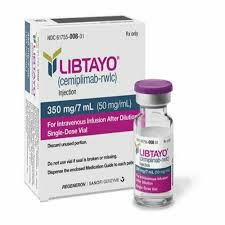
While surgery is effective for mostCSCC patients, many patients are at higher risk of recurrence, which can lead to death or disfigurement. In the first prespecified interim analysis, [cimepilimab] met very high standards in improving DFS in high-risk CSCC. As there are currently no approved options in the adjuvant setting, these landmark results suggest that [cimepilimab] can make significant progress in delaying relapse in these susceptible patients. In CSCC, cimepilimab is indicated only for the treatment of patients with metastatic CSCC or locally advanced CSCC who are not candidates for radical surgery or radical radiotherapy.
The C-POST trialis an ongoing randomized, placebo-controlled, double-blind, multicenter, global trial investigating adjuvant cimipilimab compared with placebo in 415 patients with high-risk CSCC after surgery and postoperative radiation therapy. High-risk signatures will be based on nodal characteristics (extracapsular extension or ≥3 involved lymph nodes) and/or non-nodal characteristics such as metastasis, T4 disease, neuroinvasion, or locally recurrent tumor with ≥1 other adverse prognostic features.
D-Eligible patients will be firstPatients received 350 mg of intravenous cefliximab or placebo every 3 weeks for 12 weeks, followed by random escalations of 700 mg of cefliximab or placebo every 6 weeks for 36 weeks. The primary endpoint was DFS; secondary endpoints included freedom from local recurrence, freedom from distant recurrence, OS, cumulative incidence of second primary CSCC tumors, and safety.
Regeneron has long been a pioneer in skin research for cancers other than pilocytoma. [Cimepilimab] was the first PD-1 inhibitor approved for use in certain patients with advanced CSCC and has become the standard of care in this setting. With these results, [cimepilimab] now has the potential to change the treatment of high-risk resectable CSCC through adjuvant therapy as well. This trial demonstrates our ongoing commitment to investigating areas where patient need remains high and conducting clinical research at different stages of cancer.
References:https://www.oncnursingnews.com/view/cemiplimab-as-adjuvant-therapy-improves-dfs-in-high-risk-cutaneous-squamous-cell-carcinoma
[ 免责声明 ] 本页面内容来自公开渠道(如FDA官网、Drugs官网、原研药厂官网等),仅供持有医疗专业资质的人员用于医学药学研究参考,不构成任何治疗建议或药品推荐。所涉药品可能未在中国大陆获批上市,不适用于中国境内销售和使用。如需治疗,请咨询正规医疗机构。本站不提供药品销售或代购服务。


