
.jpeg)
What is the difference between dapostat and roxadustat?
Daprodustat and Roxadustat are oral erythropoiesis-stimulating drugs (HIF-PH inhibitors) that have received widespread attention in recent years in the treatment of chronic kidney disease-related anemia (CKD-anemia). Both of them simulate hypoxia, activate the hypoxia-inducible factor (HIF) signaling pathway, promote red blood cell production, and thus effectively improve anemia. However, they have certain differences in structure, pharmacokinetics, clinical research results, safety, and market positioning, which deserve in-depth understanding.
First of all, in terms of mechanism of action, both belong to the HIF-PH inhibitor family. They both enhance the activity of the HIF complex in the body by inhibiting the degradation of HIF-α subunits, thereby upregulating the expression of erythropoietin (EPO), improving iron metabolism, increasing transferrin and reducing hepcidin levels. Despite similar pathways of action, daporostat and roxadustat differ in molecular structure, resulting in significant differences in their in vivo half-lives, metabolic pathways, and drug interactions. Daprostat was developed by GlaxoSmithKline (GSK). It has a shorter half-life in the body and has a highly selective HIF-PHD inhibitory effect. It is usually taken once a day and is metabolized mainly through the liver CYP2C8 pathway. Roxadustat was jointly developed by Huaxi and AstraZeneca, and has a slightly longer half-life. Many studies have shown that it has less interaction with CYP450 enzymes, has a more complex metabolism, and can be excreted through multiple pathways.
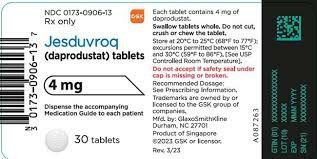
In terms of clinical efficacy, both have been verified in large-scale Phase III clinical trials in multiple countries and have been proven to be effective in both dialysis and non-dialysis CKD patients. Roxadustat was launched earlier in China, Japan and other Asian countries, and is the first oral HIF-PHI approved in China, giving it a first-mover advantage. Daprostat was first approved in Japan and later launched in Europe and the United States. Some studies have shown that dapodustat may be more stable in controlling Hb levels in non-dialysis patients and increase hemoglobin at a more stable rate, while roxadustat has shown a better effect on improving anemia in inflammatory conditions in some studies, which may be related to its stronger inhibitory effect on hepcidin.
In terms of safety, both drugs were well tolerated but had slightly different adverse effects. The more common adverse events of roxadustat include hyperkalemia, metabolic abnormalities, etc., while daprostat requires attention to potential increases in liver enzymes and changes in blood pressure. Although there are currently no large-scale head-to-head clinical studies that directly compare the long-term efficacy and safety of the two, based on the existing data, both can be used as important alternatives to traditional injectable erythropoietin drugs (such as EPO, Darvin).
From the perspective of market strategy, roxadustat is the first to be launched in China and has been included in medical insurance. It has a wide range of indications and a competitive price. Dapinostat is mainly deployed in the European and American markets, and its pharmacokinetic design focuses more on the metabolic characteristics of Western populations. If it enters the Chinese market in the future, it will directly compete with roxadustat.
In summary, although daprostat and roxadustat both belong to the HIF-PHI class of drugs, they have different focuses in terms of pharmacological structure, metabolic pathways, clinical characteristics, applicable populations and marketing strategies. In clinical application, doctors should make individualized selections based on factors such as the patient's specific condition, concomitant medications, liver and kidney function status, and drug accessibility, while continuing to pay attention to the latest clinical data updates to optimize treatment effects.
Reference materials:https://en.wikipedia.org/wiki/Daprodustat
[ 免责声明 ] 本页面内容来自公开渠道(如FDA官网、Drugs官网、原研药厂官网等),仅供持有医疗专业资质的人员用于医学药学研究参考,不构成任何治疗建议或药品推荐。所涉药品可能未在中国大陆获批上市,不适用于中国境内销售和使用。如需治疗,请咨询正规医疗机构。本站不提供药品销售或代购服务。


