
.jpeg)
Is tofacitinib an immunosuppressant, a biologic, or both?
Tofacitinib (Tofacitinib) is a typical small molecule oral immunosuppressant and does not belong to the category of biologics. Its pharmacological mechanism mainly inhibits JAK1 and JAK3 in the Janus kinase (JAK) family and blocks the JAK-STAT signaling pathway, thereby regulating the expression of various cytokines such as IL-2, IL-4, IL-6, IL-7, etc., thereby exerting anti-inflammatory and immunoregulatory effects. This mechanism of tofacitinib has good therapeutic prospects for a variety of autoimmune diseases, especially rheumatoid arthritis, psoriatic arthritis, ulcerative colitis, etc.
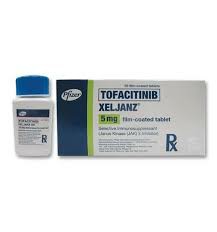
Different from "biological agents" in the traditional sensebiological agents usually refer to macromolecular protein drugs manufactured using bioengineering technology, such as monoclonal antibodies, fusion proteins or cytokines, etc., which need to be administered by subcutaneous injection or intravenous injection. Tofacitinib is a chemically synthesized drug with a clear structure and small molecular weight. It is administered orally in the form of tablets or sustained-release tablets. It has the characteristics of oral convenience, stable blood concentration, rapid onset of action, and is less likely to cause drug resistance or immunogenic reactions. While tofacitinib regulates the activity of the immune system, it may also suppress normal immune responses and poses a risk of infection. Therefore, it needs to be used under the guidance of a doctor and regular monitoring of blood routine, liver and kidney function, and blood lipid levels.
Although the efficacy of tofacitinib is comparable to biological agents in some autoimmune diseases, it is classified as a small molecule targeted immunosuppressant in drug classification. Therefore, it is more accurate to classify it as"immunosuppressant", which is significantly different from biological agents in its mode of action, medicinal chemistry and usage. When selecting drugs, clinicians need to reasonably arrange immunosuppressive treatment plans based on the patient's disease status, previous treatment history, and comprehensive assessment of adverse reaction risks.
Reference materials:https://www.xeljanz.com/
[ 免责声明 ] 本页面内容来自公开渠道(如FDA官网、Drugs官网、原研药厂官网等),仅供持有医疗专业资质的人员用于医学药学研究参考,不构成任何治疗建议或药品推荐。所涉药品可能未在中国大陆获批上市,不适用于中国境内销售和使用。如需治疗,请咨询正规医疗机构。本站不提供药品销售或代购服务。


