
.jpeg)
What are the side effects of fostatinib? What are the common side effects that may occur when using it?
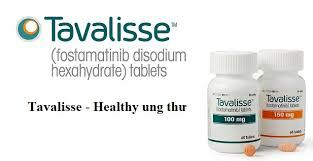
Fostamatinib is an oral spleen tyrosine kinase (SYK) inhibitor, mainly used to treat immune-related diseases such as chronic immune thrombocytopenia (ITP). Although fostatinib has shown certain efficacy in clinical treatment, like most targeted therapeutic drugs, it may also cause a series of side effects. Patients should fully understand these possible adverse reactions during use so that they can respond and deal with them in time when symptoms occur.
1. Common gastrointestinal reactions
One of the most common side effects of fostatinib is gastrointestinal discomfort. Many patients will experience problems such as diarrhea, nausea, abdominal pain or indigestion in the early stages of medication. Diarrhea is one of the most commonly reported adverse reactions. In most cases, these reactions are mild to moderate and can gradually alleviate as the medication time is extended, but some patients need to adjust the dosage or even discontinue the medication. Doctors usually advise patients to drink more fluids, adjust their diet, or use anti-diarrheal drugs to control symptoms if necessary.
2. Abnormal liver function and hypertension
Elevated liver enzymes are another indicator that requires close attention during fostatinib use. Some patients may experience elevated levels of aminotransferases such as ALT and AST, indicating that liver function is affected to a certain extent. This side effect is usually reversible, and some patients' liver function can return to normal after reducing the dose or discontinuing the drug. However, it is still recommended to regularly monitor liver function indicators, especially in the early stages of treatment and in patients taking long-term medication. In addition, fostatinib may also cause an increase in blood pressure, and patients' blood pressure levels need to be monitored at the same time. High blood pressure can usually be controlled with antihypertensive medications, but if blood pressure remains elevated or difficult to control, treatment may need to be adjusted.
3. Neutropenia and risk of infection
Fostatinib is an immune-related drug that has a certain inhibitory effect on the body's immune system and may lead to neutropenia or other hematological abnormalities, thereby increasing the risk of infection. In clinical trials, some patients experienced mild to moderate decreases in white blood cell counts. In most cases, this can be adjusted by monitoring blood routine and adjusting based on the actual situation. Although the risk of serious infection is relatively low, special caution should be exercised in patients with weakened immune systems, such as the elderly or those with chronic medical conditions.
4. Other possible side effects
In addition to the above-mentioned common adverse reactions, fostatinib may also cause fatigue, headache, loss of appetite, rash, cough, joint pain and other side effects. Among them, fatigue is a relatively common but non-specific manifestation of discomfort, which may be related to the effects of drugs or the patient's underlying disease state. Some patients may also experience weight loss or mild skin allergies, which usually do not require special treatment. However, if symptoms continue to worsen, they should seek medical treatment in time.
Generally speaking, as a new type of targeted immunosuppressant, the side effects of fostatinib are generally controllable and reversible, and most patients can tolerate it during standard use. However, due to the potential impact of this drug on multiple systems, it is recommended that patients undergo a comprehensive evaluation before taking the drug and receive regular follow-up examinations during treatment, including monitoring of blood routine, liver and kidney function, electrolytes, blood pressure and other indicators. If serious adverse reactions occur, the dose should be adjusted promptly or other treatment options should be used under the guidance of a doctor.
Patients should maintain good communication habits while using fostatinib and proactively inform doctors of any discomfort or medication changes to achieve individualized, safe and effective treatment. At the same time, a healthy lifestyle can also help reduce side effects, such as maintaining a regular schedule, eating a light diet, controlling weight, and exercising actively, which are all important auxiliary measures to improve drug tolerance and treatment effects.
Reference materials:https://go.drugbank.com/drugs/DB12010
[ 免责声明 ] 本页面内容来自公开渠道(如FDA官网、Drugs官网、原研药厂官网等),仅供持有医疗专业资质的人员用于医学药学研究参考,不构成任何治疗建议或药品推荐。所涉药品可能未在中国大陆获批上市,不适用于中国境内销售和使用。如需治疗,请咨询正规医疗机构。本站不提供药品销售或代购服务。


