
.jpeg)
What is the efficacy of fostatinib combined with avatrombopag? How effective are these two drugs combined?
Fostamatinib and avatrombopag are two drugs used for different diseases. The former is mainly used to treat chronic immune thrombocytopenia (ITP), while the latter is used to treat thrombocytopenia associated with chronic liver disease. They work through different mechanisms, so their combined use has attracted the attention of researchers. Although both are independently effective in different indications, their combined therapeutic effect still needs to be further evaluated through clinical trials. The following will analyze the efficacy of these two drugs and explore the possible efficacy and potential therapeutic advantages of their combined use.
Fostatinib is an oral JAK inhibitor that regulates immune responses mainly by inhibiting the activity of JAK3. It is approved to treat chronic immune thrombocytopenia (ITP), a form of thrombocytopenia caused by the autoimmune system. In ITP patients, the immune system mistakenly attacks and destroys platelets, and fostatinib effectively increases platelet levels by modulating the immune response and reducing the production of anti-platelet antibodies. Studies have shown that fostatinib has a significant effect on improving platelet levels in patients with ITP in monotherapy, especially in patients who are refractory to traditional treatments (such as glucocorticoids and immunoglobulins), fostatinib provides a new treatment option.
Avatrombopag is a thrombopoietin receptor agonist that mainly promotes platelet production by stimulating thrombopoietin receptors and is particularly suitable for thrombocytopenia caused by chronic liver disease. The mechanism of action of avatrombopag is to directly promote platelet production in the bone marrow by increasing thrombopoietin levels, helping to increase platelet numbers. It is of particular clinical value in patients with chronic liver disease, who often face the dilemma of suspending antiviral therapy or undergoing other treatments due to thrombocytopenia. Avatrombopag has been shown to be effective in increasing platelet levels and reducing the risk of bleeding in patients with chronic liver disease.
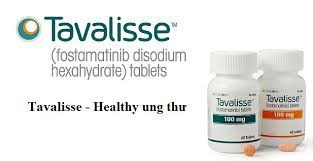
Regarding the combination treatment of these two drugs, current clinical studies indicate that the combination of fostatinib and avatropopag may produce a synergistic effect. The two have different mechanisms of action. One increases platelet levels through immune regulation, while the other directly stimulates platelet production, so their combined use may provide a more potent therapeutic effect. For patients who do not respond well to single-agent therapy or who need to rapidly increase platelet counts, combination therapy may be able to achieve better therapeutic effects. For example, in some patients with chronic immune thrombocytopenia, fostatinib has limited effect when used alone, especially when the patient has an overactivated immune system or persistent thrombocytopenia, avatrombopag may help to further enhance platelet production to achieve better efficacy.
Although combination therapy has theoretical potential, side effects and safety also require special attention. Fostatinib and avatropopag each have certain side effects. Fostatinib may cause side effects such as headache, diarrhea, and high blood pressure, while avatropopag may cause abnormal liver function or other liver problems. Taking the two together may increase the incidence of certain side effects, especially liver-related complications. Therefore, when these two drugs are used clinically for combined treatment, the patient's liver function, platelet levels and other related indicators must be closely monitored.
In terms of clinical prospects, the efficacy and safety of the combination of fostatinib and avatrombopag still require more clinical trials to verify. Although preliminary studies have shown that combination therapy can effectively increase platelet levels and help improve patients' quality of life, how to optimize the combination of these two drugs and its application in different patient groups still needs to be explored through further clinical research. In particular, for patients with immune system abnormalities or other concomitant diseases, sufficient clinical data support is needed to determine whether combination therapy can provide longer-term efficacy and higher safety.
In summary, the combination treatment of fostatinib and avatrombopag has certain advantages in theory, especially for patients with poor response to thrombocytopenia treatment. They work through different mechanisms and may synergistically increase platelet counts and reduce the risk of bleeding. However, safety and side effects still need to be concerned, so careful patient selection and regular monitoring are needed in clinical applications. Future clinical trials will help further determine the optimal regimen and long-term effects of combining these two drugs.
Reference materials:https://go.drugbank.com/drugs/DB12010
[ 免责声明 ] 本页面内容来自公开渠道(如FDA官网、Drugs官网、原研药厂官网等),仅供持有医疗专业资质的人员用于医学药学研究参考,不构成任何治疗建议或药品推荐。所涉药品可能未在中国大陆获批上市,不适用于中国境内销售和使用。如需治疗,请咨询正规医疗机构。本站不提供药品销售或代购服务。


