
.jpeg)
What should patients with lung cancer do if they develop drug resistance after taking lorlatinib? Analysis of the next treatment plan
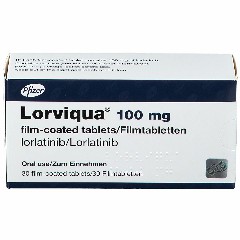
Lorlatinib is a tyrosine kinase inhibitor targeting HER2 and EGFR. /span>ALKgene rearrangement-positive and ROS1gene rearrangement-positive non-small cell lung cancer (NSCLC). Althoughlorlatinib (lorlatinib) has shown significant therapeutic effects in many patients, some patients may develop resistance after using it for a period of time. When lung cancer patients develop drug resistance after taking lorlatinib (lorlatinib), clinicians need to consider further treatment options to effectively deal with the drug resistance and continue to control tumor progression.
Gene mutation detection is a key step in confirming the cause of drug resistance. When a patient becomes resistant to lorlatinib, doctors may recommend tumor genomic analysis, specifically testing genes associated with ALK, ROS1, and other mutations that may affect drug response. For example, secondary mutations in the ALK gene (such as the G1202R mutation) are common causes of drug resistance. Such mutations change the configuration of ALK kinase and weaken the inhibitory effect of lorlatinib. Therefore, genetic testing can help identify the specific mechanisms of drug resistance in patients and provide a basis for next treatment decisions.
Switching to otherALK/ROS1targeted drugs is a common strategy to deal withlorlatinib resistance. For example, for resistance caused by ALK mutations, doctors may choose to use new ALK inhibitors, such as crizotinib (C rizotinib), ceritinib (Ceritinib) or bositinib (Alectinib). These drugs may be effective in ALK-positive lung cancers with different mutational profiles. For ROS1 rearrangement-positive patients, tirofenib (Entrectinib) and platinib (Lorlatinib) can also be used as alternative treatment options. More specific targeted therapies can help control tumor progression.
Immunotherapy is another type of immunotherapy used in lorlatinib (lorlatinib) Treatment options to consider after drug resistance develops. Some patients with non-small cell lung cancer respond well to immune checkpoint inhibitors, such as PD-1 inhibitors or PD-L1 inhibitors, especially when the tumor cells express PD-L1. Immunotherapy works by activating a patient's own immune system to identify and attack cancer cells, and is often used in conjunction with chemotherapy or targeted therapy to enhance the effectiveness of the treatment. For some patients with drug-resistant lung cancer, immunotherapy may become an effective follow-up treatment option.
Chemotherapy can also be used as an option to treat lung cancer after resistance to lorlatinib. Although chemotherapy has limited therapeutic effect on lung cancer and has severe side effects, chemotherapy is still an option to control tumor progression for some patients who are ineffective in targeted therapy and immunotherapy. Common chemotherapy drugs include taxenes, platinum drugs, etc. These drugs achieve therapeutic effects by inhibiting the division and proliferation of cancer cells. Chemotherapy is often used in combination with other treatments to increase effectiveness and improve patient survival.
Reference link:https://www.lorbrena.com/
[ 免责声明 ] 本页面内容来自公开渠道(如FDA官网、Drugs官网、原研药厂官网等),仅供持有医疗专业资质的人员用于医学药学研究参考,不构成任何治疗建议或药品推荐。所涉药品可能未在中国大陆获批上市,不适用于中国境内销售和使用。如需治疗,请咨询正规医疗机构。本站不提供药品销售或代购服务。


