
.jpeg)
Will trientine damage the kidneys or liver? What are the effects on the kidneys and liver when used?
Trientine is a drug used to treat Wilson's disease, a copper metabolism disorder. Wilson's disease is a genetic disorder that causes a buildup of copper in the body, which can cause serious damage to the liver, nervous system and other organs. Trientine helps reduce copper accumulation by binding to excess copper in the body, thereby effectively controlling the progression of the disease. However, although trientine is effective in treating Wilson's disease, patients still need to be concerned about its potential effects on the liver and kidneys during use.
Regarding trientine's effects on the liver, research shows that this drug generally has a minor effect on the liver. Wilson's disease itself is caused by the liver's inability to effectively eliminate copper, so the main role of trientine is to reduce the burden on the liver by reducing copper accumulation. However, trientine may cause some minor liver function abnormalities, such as elevated liver enzymes, during treatment, but these phenomena are usually temporary and will alleviate after the drug is stopped. Therefore, although trientine may have mild effects on the liver in some cases, its long-term effects are generally beneficial and can improve liver function, especially in patients with Wilson's disease.
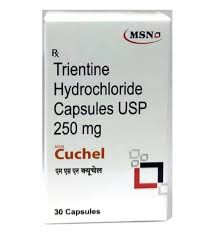
Trientine's effects on the kidneys are relatively complex. Although trientine itself is not considered a nephrotoxic drug, patients with Wilson's disease may face kidney problems themselves, especially those who do not keep copper levels under control. The accumulation of copper in Wilson's disease can cause damage to the kidneys, including tubulopathy. Trientine can indirectly improve kidney damage associated with Wilson's disease by removing excess copper from the body. However, individual patients may experience some mild fluctuations in renal function when taking trientine, especially during the initial stages of drug use. Typically, these problems are manageable and do not cause serious kidney damage to the patient.
While patients are taking trientine, liver and kidney function must be monitored regularly. Doctors will adjust the dose of the drug or stop using it in a timely manner based on the patient's clinical manifestations and test results to minimize potential risks to the liver and kidneys. During treatment, it is critical to maintain regular medical follow-up to ensure that trientine is safely and effectively controlling Wilson's disease and to avoid possible side effects.
Overall, trientine has a mild effect on the liver when treating Wilson's disease, improving liver function primarily by reducing copper accumulation in the body. Although its impact on the kidneys is relatively small, patients still need to pay attention to regular checks of liver and kidney function to ensure the safety and effectiveness of the treatment process.
Reference materials:https://www.cufence.com/
[ 免责声明 ] 本页面内容来自公开渠道(如FDA官网、Drugs官网、原研药厂官网等),仅供持有医疗专业资质的人员用于医学药学研究参考,不构成任何治疗建议或药品推荐。所涉药品可能未在中国大陆获批上市,不适用于中国境内销售和使用。如需治疗,请咨询正规医疗机构。本站不提供药品销售或代购服务。


