
.jpeg)
What diseases does filgotinib mainly treat? What are its indications?
Filgotinib is an inhibitor targeting JAK1 (Januskinase1) and is mainly used to treat immune-mediated inflammatory diseases. It reduces the over-activation of the immune system by inhibiting the JAK1 signaling pathway, thereby reducing the inflammatory response. Filgotinib is approved to treat a variety of immune-related diseases, particularly common autoimmune diseases such as rheumatoid arthritis and ulcerative colitis.
One of the main indications for filgotinib is rheumatoid arthritis (RA). Rheumatoid arthritis is a chronic, systemic autoimmune disease in which a patient's immune system mistakenly attacks healthy joint tissue, causing joint swelling, pain, and dysfunction. Figotinib effectively reduces the production of inflammatory factors by inhibiting the function of JAK1, thereby reducing joint inflammation, relieving symptoms and improving patients' quality of life. In clinical studies, filgotinib has shown promising efficacy in rheumatoid arthritis, particularly in patients who have responded poorly to traditional disease-modifying antirheumatic drugs (DMARDs).
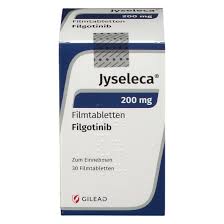
Figotinib is approved to treat ulcerative colitis (UC). Ulcerative colitis is a chronic inflammatory bowel disease that primarily affects the colon and rectum, causing symptoms such as diarrhea, abdominal pain, and bloody stools. The occurrence of the disease is related to abnormal responses of the immune system. By inhibiting the JAK1 pathway, filgotinib helps reduce the inflammatory response in the intestine and alleviate the clinical symptoms of ulcerative colitis. Studies have shown that filgotinib has achieved positive clinical effects in the treatment of active ulcerative colitis, especially in improving patients' clinical response and achieving clinical remission.
Figotinib is also being explored in clinical studies for the treatment of other immune-mediated diseases. For example, Crohn's disease (Crohn's disease), as another common inflammatory bowel disease, has a similar pathogenesis to ulcerative colitis. Studies have shown that filgotinib may also have certain therapeutic potential in patients with Crohn's disease, especially when the patients are unresponsive to other treatments. Although filgotinib is still in clinical trials in Crohn's disease, it shows promise in reducing inflammation and promoting remission.
Research on filgotinib has also expanded to other immune-related diseases such as psoriasis. Psoriasis is a chronic skin disease in which the patient's immune system is overactive, causing skin cells to proliferate and form scales. By inhibitingJAK1, filgotinib may help reduce skin inflammation and relieve clinical symptoms of psoriasis. Although this application is still in the experimental stage, it provides new ideas and hope for the future treatment of immune system diseases.
Reference materials:https://go.drugbank.com/drugs/DB14845
[ 免责声明 ] 本页面内容来自公开渠道(如FDA官网、Drugs官网、原研药厂官网等),仅供持有医疗专业资质的人员用于医学药学研究参考,不构成任何治疗建议或药品推荐。所涉药品可能未在中国大陆获批上市,不适用于中国境内销售和使用。如需治疗,请咨询正规医疗机构。本站不提供药品销售或代购服务。


