
.jpeg)
Does lapatinib need to be used in combination with other drugs? What are some common combination treatment options?
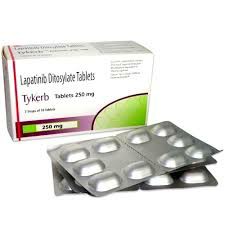
Lapatinib (Lapatinib) is a targeted therapy drug that is a tyrosine kinase inhibitor (TKI). It inhibits HER2
1. Background of combined treatment with lapatinib
Although lapatinib can also be effective in some patients as a monotherapy, due to the complexity of breast cancer, especially HER2 positive breast cancer, single drug treatment often cannot completely control the disease. Therefore, combination therapy has become an important means to improve the success rate of treatment. Lapatinib is often used in combination with chemotherapy drugs, other targeted drugs, or immunotherapy drugs to maximize efficacy and overcome drug resistance.
2. Common combination treatment options
(1) lapatinib combined with capecitabine (Capecitabine)
The combination of lapatinib and capecitabine is one of the common options for the treatment of metastatic HER2 positive breast cancer. Capecitabine is an oral fluorouracil drug that can be converted into fluorouracil (5-FU) in tumor cells to play an anti-tumor effect. This combination regimen has been proven to significantly improve the survival and treatment efficacy of patients with HER2-positive breast cancer. Lapatinib enhances the therapeutic effect of capecitabine by targeting HER2 and EGFR, and the anti-tumor effect of capecitabine can also enhance the efficacy of lapatinib. Clinical studies have shown that the treatment regimen of lapatinib combined with capecitabine can prolong progression-free survival (PFS) and improve overall survival (OS).
(2) lapatinib combined with paclitaxel (Paclitaxel)
In some cases, lapatinib may also be used in combination with the chemotherapy drug paclitaxel to treat HER2 positive breast cancer. Paclitaxel is a chemotherapy drug widely used in the treatment of breast cancer. It prevents cancer cell division and proliferation by inhibiting the division of microtubules. When used in combination with lapatinib, lapatinib can improve the efficacy of paclitaxel and overcome the chemotherapy resistance of tumor cells by targeting HER2 and EGFR. The combination is typically used in patients with metastatic or locally advanced HER2-positive breast cancer and can provide better disease control.
(3) lapatinib combined with trastuzumab (Trastuzumab)
Trastuzumab is a monoclonal antibody directed against HER2 and is one of the classic drugs for the treatment of HER2 positive breast cancer. The combination of lapatinib and trastuzumab is commonly used to treat HER2-positive breast cancer, especially in patients who are resistant to trastuzumab. As a small molecule tyrosine kinase inhibitor, lapatinib can prevent the activation of the HER2 receptor, while trastuzumab blocks the signal transduction of the HER2 receptor by binding to the HER2 receptor. The combined use of the two can jointly target the HER2 signaling pathway through different mechanisms and improve the therapeutic effect. In the treatment of HER2 positive breast cancer, lapatinib combined with trastuzumab has been shown to improve patient response rates and survival.
(4) lapatinib combined with tocilizumab (Pertuzumab)
Tocilizumab is a monoclonal antibody directed against HER2. Unlike trastuzumab, tocilizumab blocks the dimerization of HER2 receptors, thereby inhibiting HER2 signaling. Combining lapatinib with tocilizumab is another strategy to enhance efficacy. Lapatinib targets the kinase activity of HER2 and EGFR, while tocilizumab further blocks signaling by preventing the dimerization of HER2. The combination of the two can target HER2 through a dual mechanism.signaling pathways to improve therapeutic efficacy. This combination is often used in patients who have failed trastuzumab, particularly in the treatment of metastatic HER2-positive breast cancer.
3. Advantages and challenges of combination therapy
Advantages:
Improve efficacy: Combination therapy can act on tumor cells simultaneously through different mechanisms, improving the comprehensiveness and depth of treatment and often effectively overcoming the limitations of single drug therapy.
Overcoming drug resistance:HER2Patients with positive breast cancer often develop resistance to targeted drugs during treatment. Combining drugs can reduce the occurrence of drug-resistant mutations.
Prolonged survival: Through combination therapy, the overall survival (OS) and progression-free survival (PFS) of many patients have been significantly prolonged.
Challenge:
Increased side effects: Combination therapy is often associated with more adverse effects. For example, lapatinib may cause more serious gastrointestinal effects or hepatotoxicity when used concomitantly with capecitabine.
High cost of treatment: Combination therapy usually means the need for more drugs, and the cost of treatment is relatively high, which may put pressure on the patient's financial burden.
Individualized treatment needs: The choice of combination therapy needs to be determined based on the patient's specific condition, treatment response and drug resistance. Therefore, doctors need to closely monitor the patient's treatment effects and side effects and make corresponding adjustments.
Lapatinib, as an effectiveHER2 targeting drug, plays an important role in combination therapy. Common combination therapies include capecitabine, paclitaxel, trastuzumab, and tocilizumab. Each option has its specific indications, advantages and disadvantages, and doctors need to choose the most appropriate treatment option based on the patient's individual situation. Although combined therapy can significantly improve the therapeutic effect, patients and doctors also need to pay close attention to side effects during the treatment process to ensure the safety and effectiveness of the treatment.
Reference materials:https://medlineplus.gov/druginfo/meds/a607055.html
[ 免责声明 ] 本页面内容来自公开渠道(如FDA官网、Drugs官网、原研药厂官网等),仅供持有医疗专业资质的人员用于医学药学研究参考,不构成任何治疗建议或药品推荐。所涉药品可能未在中国大陆获批上市,不适用于中国境内销售和使用。如需治疗,请咨询正规医疗机构。本站不提供药品销售或代购服务。


