
.jpeg)
What is the usage and dosage of pomalidomide? How to use this medicine correctly?
Pomalidomide (Pomalidomide) is an oral immunomodulatory drug commonly used to treat hematological malignancies such as multiple myeloma. It regulates the immune system, enhances the body's anti-tumor immune response, and directly inhibits the growth of tumor cells. The use of pomalidomide requires specific usage and dosage guidelines to ensure its effectiveness and reduce adverse reactions.
The standard dose of pomalidomide is usually 4mg once daily, usually before or after a meal. For patients with multiple myeloma, pomalidomide is often used in combination with dexamethasone. In the early stages of treatment, doctors will adjust the dosage according to the patient's specific conditions (such as liver and kidney function, complications, etc.), and may start with a lower dosage to reduce drug-related adverse reactions. Generally speaking, patients need to take the drug continuously, usually for 28 days in a cycle, before entering the next cycle. If the patient experiences serious adverse reactions, the dose may be adjusted or suspended based on the doctor's advice.
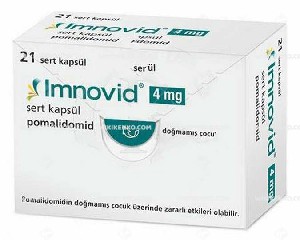
Patients should follow a strict dosing schedule when taking pomalidomide. Tablets should not be chewed or crushed and patients should take the entire tablet directly by mouth with plenty of water. In addition, due to the potential teratogenic effects of pomalidomide, women must use strict contraceptive measures when using this drug. Before and during treatment, doctors will ask patients to undergo pregnancy tests and ensure that female patients use at least two effective contraceptive methods while taking the drug.
When using pomalidomide, patients need to undergo regular monitoring, including routine blood tests, liver and kidney function assessment, etc. Because pomalidomide may cause bone marrow suppression (such as a decrease in white blood cells, platelets, and red blood cells), blood cell counts need to be checked regularly through routine blood tests. If severe hypocytosis occurs, the dose may need to be adjusted or the medication may need to be suspended. In addition, patients should also regularly monitor liver and kidney function to prevent potential effects of the drug on the liver and kidneys.
Pomalidomide may cause some common side effects, such as fatigue, nausea, loss of appetite, constipation, fever, etc. Patients should pay attention to changes in discomfort symptoms during use. If serious adverse reactions occur, such as difficulty breathing, persistent fever, rash, bleeding, etc., they should contact their doctor in time. Patients should maintain close medical follow-up during medication to ensure the safety and effectiveness of treatment.
Reference materials:https://en.wikipedia.org/wiki/Pomalidomide
[ 免责声明 ] 本页面内容来自公开渠道(如FDA官网、Drugs官网、原研药厂官网等),仅供持有医疗专业资质的人员用于医学药学研究参考,不构成任何治疗建议或药品推荐。所涉药品可能未在中国大陆获批上市,不适用于中国境内销售和使用。如需治疗,请咨询正规医疗机构。本站不提供药品销售或代购服务。


