
.jpeg)
What should I pay attention to while taking lorlatinib (lorlatinib)? Diet, drug interactions and life management
While taking Lorlatinib (Lolatinib), patients need to pay special attention to some life management details to ensure the efficacy of the drug and reduce potential adverse reactions. First of all, regarding diet, the absorption of Lorlatinib is not affected by food, so patients can eat at any time, but in order to reduce the irritation of the drug to the stomach, it is best to avoid taking it on an empty stomach. In addition, lorlatinib may cause some gastrointestinal discomfort, such as nausea, vomiting, or diarrhea, so if these symptoms occur, patients can try taking the drug with a meal to reduce discomfort.
Secondly, lorlatinib (lorlatinib) may interact with other drugs, affecting its efficacy or increasing the risk of adverse reactions. In particular, some drugs can affect the metabolism of lorlatinib, including certain antifungals, antiviral drugs, antibiotics, and antiepileptic drugs. For example, strong CYP3A4 enzyme inhibitors (such as ketoconazole, itraconazole, etc.) may increase lorlatinib Plasma concentration, and CYP3A4 inducers (such as carbamazepine, phenytoin, etc.) may reduce the efficacy of lorlatinib (lorlatinib). Patients should inform their doctor when taking these medications that dosage adjustments or medication changes may be needed to avoid adverse drug interactions.
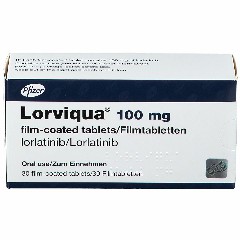
In addition, the use of lorlatinib may have certain effects on heart health, especially the prolongation of the QT interval, which may increase the risk of arrhythmia. Therefore, it is very important to monitor the electrocardiogram (ECG) regularly while taking it. Patients with a past history of heart disease, especially a family history of heart disease or a known problem with arrhythmia, should use lorlatinib with special caution and discuss with their doctor whether additional cardiac monitoring is needed.
Finally, patients need to undergo regular routine tests such as liver and kidney function and routine blood tests during lorlatinib treatment to ensure that there are no serious adverse reactions, such as liver damage or blood system abnormalities. Lorlatinib (lorlatinib) may cause some common adverse reactions, such as fatigue, headache, loss of appetite, etc. These symptoms are usually mild, but if more serious side effects occur (such as persistent headache, vision problems, persistent nausea or vomiting, etc.), patients should report to the doctor in time and adjust the treatment plan or treatment plan as needed. Generally speaking, patients should follow up regularly according to the doctor's advice to ensure the safe use of drugs.
Reference link:https://www.lorbrena.com/
[ 免责声明 ] 本页面内容来自公开渠道(如FDA官网、Drugs官网、原研药厂官网等),仅供持有医疗专业资质的人员用于医学药学研究参考,不构成任何治疗建议或药品推荐。所涉药品可能未在中国大陆获批上市,不适用于中国境内销售和使用。如需治疗,请咨询正规医疗机构。本站不提供药品销售或代购服务。


