
.jpeg)
What diseases are specifically indicated for regorafenib?
Regorafenib is a multi-target tyrosine kinase inhibitor. Its mechanism covers many aspects such as anti-tumor angiogenesis, inhibition of tumor cell proliferation and tumor microenvironment remodeling. It is suitable for the treatment of a variety of solid tumors. According to international authoritative guidelines and drug instructions, regorafenib is currently mainly approved for three important indications of advanced malignant tumors, especially for patients who have failed standard treatments or have no further treatment options.
First of all, in the field of metastatic colorectal cancer (mCRC), regorafenib is used to treat patients who have previously received chemotherapy regimens based on fluorouracil, oxaliplatin, and irinotecan, and who have received or are not suitable for anti-VEGF therapy and anti-EGFR therapy (RAS wild-type only). This group of people usually still have disease progression after multiple lines of treatment. The addition of regorafenib provides them with the possibility of prolonging survival. Its efficacy has been verified in multiple clinical trials, such as the famous CORRECT study.
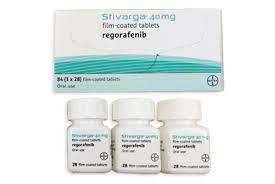
Secondly, in the treatment of gastrointestinal stromal tumor (GIST), regorafenib is suitable for patients with locally advanced, unresectable or metastatic GIST, and the patient must have failed treatment with imatinib mesylate and sunitinib malate. This type of GIST is usually resistant to traditional treatments, and regorafenib, as a third-line treatment drug, can significantly delay disease progression.
Third, regorafenib is also approved for patients with hepatocellular carcinoma (HCC) who have previously received sorafenib treatment. As a second-line treatment option for liver cancer, the efficacy of regorafenib has been confirmed in the RESORCE study, showing extended overall survival and improved disease control rate, bringing new treatment hope to patients with advanced HCC.
In summary, regorafenib has become an important player in the treatment of advanced colorectal cancer,GIST and hepatocellular carcinoma due to its broad target spectrum and clear survival benefit. In actual clinical use, doctors will comprehensively evaluate whether regorafenib is suitable for treatment based on the patient's medical history, gene mutation status, tolerance, and disease progression, and adjust the dose based on adverse reactions to achieve the optimal treatment balance.
Reference materials:https://www.stivarga-us.com/
[ 免责声明 ] 本页面内容来自公开渠道(如FDA官网、Drugs官网、原研药厂官网等),仅供持有医疗专业资质的人员用于医学药学研究参考,不构成任何治疗建议或药品推荐。所涉药品可能未在中国大陆获批上市,不适用于中国境内销售和使用。如需治疗,请咨询正规医疗机构。本站不提供药品销售或代购服务。


