
.jpeg)
Detailed instructions for Trientine and precautions for use
1. Overview of Drugs
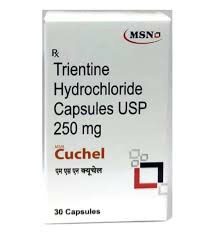
Trientine is a drug used to treat Wilson's disease. Wilson's disease is an inherited disorder caused by abnormal copper metabolism in the body, leading to accumulation of copper in the liver and other tissues. As a copper chelator, trientine can bind to excess copper and promote its excretion through urine, thereby helping to reduce copper accumulation in the body, improve symptoms, and prevent disease progression.
2. Indications and usage
The primary indication for trientine is Wilson's disease, particularly in patients who are intolerant or unable to use other copper chelators such as penicillamine. Trientine helps remove copper from the body by binding to it, forming a soluble complex. It is often used with zinc salts to help control copper absorption, further reducing copper levels in the body.
According to the drug instructions, the recommended dose of trientine is once daily. Adult patients usually start with a dose of 1000mg (1g), and the dose can be adjusted according to the patient's condition and response. The dosage of drugs should be adjusted under the guidance of a doctor to ensure efficacy and safety.
3. Precautions when using
DOSAGE ADJUSTMENT: The dose of trientine needs to be adjusted based on the patient's age, weight, severity of disease, and individual response to the drug. When starting treatment, the doctor will evaluate the patient's specific situation and determine the appropriate dosage. Patients need regular copper level and liver function tests during treatment to ensure the drug is working and to monitor for potential side effects.
Drug Interactions: Special attention needs to be paid to interactions with other drugs when using trientine. For example, trientine may interact with certain antibiotics, antivirals, antacids, and other copper chelators, affecting its effectiveness. Patients should inform their doctors of all medications they are taking so that appropriate adjustments can be made.
Gastrointestinal side effects: Trientine may cause some gastrointestinal side effects, such as nausea, vomiting, abdominal pain, or diarrhea. To reduce these side effects, patients are advised to take the medication after a meal and adjust the dose if needed. If gastrointestinal discomfort persists or worsens, patients should contact their doctor promptly to consider adjusting the treatment plan.
Monitoring for long-term use: Treatment of Wilson's disease is long-term, so patients will need regular blood tests to assess liver function, kidney function, and copper levels while taking trientine. This is to ensure the effectiveness of the medication and to detect any potential adverse effects as early as possible. Especially long-term use of drugs may put a burden on the kidneys, so kidney function needs to be checked regularly.
4. Adverse reactions and safety
Common adverse reactions of trientine include gastrointestinal discomfort, rash, and abnormal liver function. Although most patients experience no serious adverse reactions when using the drug, they still need to be alert to possible side effects. If an allergic reaction occurs (such as difficulty breathing, facial swelling, or rash), patients should stop taking the drug and seek medical attention immediately.
Additionally, long-term use of trientine may have potential effects on liver, kidney, and bone health. Therefore, patients need to pay special attention to these issues when receiving treatment. The doctor may adjust the treatment plan based on the patient's response or substitute other medications if necessary.
As a treatment for Wilson's disease, trientine has significant efficacy and can help reduce the accumulation of copper in the body and improve patients' symptoms. However, during use, patients should strictly follow the doctor's instructions, conduct necessary examinations and monitoring regularly, and pay attention to the side effects of the drug and interactions with other drugs. With proper use and administration, patients can maximize the effectiveness of their medications and reduce potential risks.
Reference materials:https://www.cufence.com/
[ 免责声明 ] 本页面内容来自公开渠道(如FDA官网、Drugs官网、原研药厂官网等),仅供持有医疗专业资质的人员用于医学药学研究参考,不构成任何治疗建议或药品推荐。所涉药品可能未在中国大陆获批上市,不适用于中国境内销售和使用。如需治疗,请咨询正规医疗机构。本站不提供药品销售或代购服务。


