
.jpeg)
Risks and disease progression after discontinuation of filgotinib
Filgotinib is a JAK1 inhibitor mainly used to treat rheumatoid arthritis and other immune-mediated diseases. It achieves therapeutic effects by selectively inhibiting the JAK1 signaling pathway, reducing inflammation and immune response. However, the effects and risks of discontinuing the drug may vary among different patients. Whether discontinuation of the drug leads to an acute progression of the disease depends on a variety of factors, including the patient's type of disease, severity of the disease, and response to treatment.
After discontinuation of filgotinib, particularly in patients with immune-mediated diseases such as rheumatoid arthritis, disease may relapse for a period of time after discontinuation of the drug. The therapeutic effect of filgotinib is usually significant, but the overactivity of the immune system after discontinuation of the drug may lead to a rapid worsening of the condition, manifested by a sharp recurrence of symptoms, such as joint swelling and pain. Although not all patients will experience severe reactions, the risk of relapse after stopping the drug does exist, so patients need to gradually stop the drug under the advice of their doctor rather than stopping the drug suddenly.
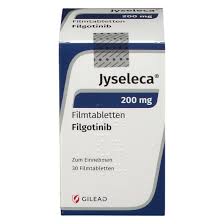
Figotinib reduces the excessive response of the immune system by inhibiting the JAK1 pathway. After drug withdrawal, the immune system may experience a rebound effect, in which immune activity rapidly recovers, leading to an increase in inflammatory response. This rebound effect can be significant in some patients, especially those with already overactive immune systems. At this time, patients may experience symptoms similar to an exacerbation of the disease, or even more severe reactions. Therefore, it is necessary to strictly monitor the drug during the withdrawal process, and consider how to make a smooth transition under the guidance of a doctor to avoid an overreaction of the immune system.
The risks after discontinuation of filgotinib are also closely related to individual differences. For example, some patients may experience a slower return of symptoms, while others may experience a sharp exacerbation over a short period of time. Therefore, discontinuation strategies need to be tailored to the patient's specific circumstances. For those who have relied on medications to control their condition for a long time, doctors may recommend gradually reducing the dose of the medication rather than stopping it suddenly. Gradually reducing the dose of medication can help the immune system adapt, reducing the chance of recurrence and the risk of a flare-up of the disease.
To reduce risks after discontinuation, patients should undergo regular clinical examination and monitoring after discontinuation of filgotinib. This includes assessing the activity level of the immune system, checking for markers of inflammation, and assessing changes in the condition. If symptoms worsen or side effects occur, your doctor may consider restarting medication or other treatments. In addition, in some cases, doctors may recommend continued use of other immunosuppressive drugs to maintain disease control and prevent rapid progression of the disease.
Reference materials:https://go.drugbank.com/drugs/DB14845
[ 免责声明 ] 本页面内容来自公开渠道(如FDA官网、Drugs官网、原研药厂官网等),仅供持有医疗专业资质的人员用于医学药学研究参考,不构成任何治疗建议或药品推荐。所涉药品可能未在中国大陆获批上市,不适用于中国境内销售和使用。如需治疗,请咨询正规医疗机构。本站不提供药品销售或代购服务。


