
.jpeg)
Long-term use and lifelong taking requirements of Lapatinib
Lapatinib is an oral small molecule targeted drug mainly used to treat HER2-positive breast cancer, especially patients with advanced or metastatic breast cancer who are ineffective with other treatment options. There is actually no fixed answer to the question of whether lapatinib needs to be taken for life. It usually depends on the patient's treatment response, drug resistance, disease progression and the doctor's evaluation. This article will further elaborate on the long-term use of lapatinib and related requirements.
The use of lapatinib is usually not lifelong, especially in the treatment of breast cancer, and the duration of treatment depends on the patient's disease status and response. Typically, lapatinib is used as long-term maintenance therapy in patients with breast cancer until the disease progresses or the patient develops drug resistance. In some cases, patients may need to continue taking lapatinib until disease progression or unacceptable side effects occur. Under normal circumstances, lapatinib treatment is long-term and carried out on a periodic basis, rather than being an unchanging lifelong medication.
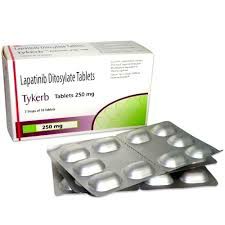
Long-term use of lapatinib requires periodic evaluation of efficacy during treatment. Patients should undergo regular imaging examinations, such as CT scans or MRI, to assess the size and expansion of the tumor. In addition, blood tests (such as liver function, kidney function and blood routine, etc.) are also necessary to monitor the side effects of drugs. Doctors will adjust the drug dosage or treatment plan based on the patient's response. If the patient's condition is stable, he can continue to take lapatinib; if drug resistance occurs or the condition worsens, he may need to stop using lapatinib and switch to other treatment options.
Long-term use of lapatinib may cause some side effects, especially the obvious impact on liver function. Common adverse reactions include diarrhea, liver function damage, rash, etc. For patients with long-term use, regular monitoring is very important. To reduce the impact of these side effects, patients may need to follow supportive management measures. For example, patients with diarrhea can relieve symptoms by adjusting their diet and using antidiarrheal drugs; patients with abnormal liver function should reduce the dose of the drug or temporarily discontinue the drug, and closely monitor the recovery of liver function.
Reference materials:https://medlineplus.gov/druginfo/meds/a607055.html
[ 免责声明 ] 本页面内容来自公开渠道(如FDA官网、Drugs官网、原研药厂官网等),仅供持有医疗专业资质的人员用于医学药学研究参考,不构成任何治疗建议或药品推荐。所涉药品可能未在中国大陆获批上市,不适用于中国境内销售和使用。如需治疗,请咨询正规医疗机构。本站不提供药品销售或代购服务。


