
.jpeg)
The difference and main differences between pomalidomide and lenalidomide
Pomalidomide (Pomalidomide) and lenalidomide (Lenalidomide) are both immunomodulatory drugs (IMiDs) and are widely used to treat hematological malignancies such as multiple myeloma. However, despite their similarities in molecular structure and mechanism of action, they have significant differences in clinical application, pharmacological effects, indications, and side effects. This article will discuss in detail the main differences between pomalidomide and lenalidomide.
1. Molecular structure and pharmacological effects
Pomalidomide and lenalidomide have some similarities in their molecular structures. They are both immunomodulatory drugs (IMiDs). Their mechanism of action mainly exerts anti-tumor effects by enhancing the function of the immune system, inhibiting the malignant transformation of the tumor microenvironment, and directly inhibiting the proliferation of tumor cells. However, the structural differences between them lead to differences in their pharmacological effects and clinical effects.
Lenalidomide: As an immunomodulatory drug, it mainly enhances the function of T cells and natural killer cells (NK cells), thereby improving the immune system's ability to clear tumor cells. In addition, lenalidomide can inhibit pro-angiogenic factors, thereby reducing the blood supply to tumors and inhibiting tumor growth and spread.
Pomalidomide: Certain structural modifications have been made on the basis of lenalidomide to enhance its regulatory effect on the immune system. Studies have shown that pomalidomide is not only stronger than lenalidomide in enhancing the activity of T cells and NK cells, but it can also effectively inhibit certain immunosuppressive factors in the tumor microenvironment. Especially in the treatment of multiple myeloma, it has shown a stronger anti-tumor effect.
2. Clinical application and indications
Lenalidomide and pomalidomide both play an important role in the treatment of hematological malignancies, but their indications are different.
Lenalidomide: Mainly used to treat multiple myeloma, lupus erythematosus, non-Hodgkin lymphoma and other diseases. It is mainly used as a first-line or second-line treatment drug, especially in patients with multiple myeloma. When used in combination with other drugs, it can significantly improve the therapeutic effect.
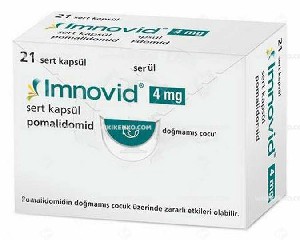
Pomalidomide: Mainly used to treat multiple myeloma, especially when patients have not achieved adequate response after at least two previous therapies (including lenalidomide, dexamethasone, etc.). Pomalidomide is usually used in combination with dexamethasone, which can significantly prolong the progression-free survival (PFS) and overall survival (OS) of patients, and has achieved better therapeutic effects in some drug-resistant cases.
3. Side Effects and Tolerability
The side effects of pomalidomide and lenalidomide are different. Although both may cause some common immunosuppression-related side effects, due to differences in their pharmacological effects, some adverse reactions are more prominent between the two.
Side effects of lenalidomide: include leukopenia, anemia, thrombocytopenia, peripheral neuropathy, abnormal liver function, deep vein thrombosis, etc. The side effects of lenalidomide are closely related to the patient's immune status, comorbidities, and combined medications. Therefore, when patients use lenalidomide, they usually need to regularly monitor blood routine, liver function and other indicators.
The side effects of pomalidomide are more complex. In addition to hematological adverse reactions similar to lenalidomide, pomalidomide may also cause more significant immunosuppressive effects and stronger cytotoxicity, which may require more strict monitoring during treatment. In addition, pomalidomide may pose a serious risk of infection, especially in drug-resistant patients, as the enhanced immunomodulatory effects of the drug may lead to changes in immune tolerance responses.
4. Therapeutic efficacy and drug resistance
In the treatment of multiple myeloma, although lenalidomide and pomalidomide have similar mechanisms of action, their differences in efficacy and drug resistance are very obvious.
Lenalidomide: It is a commonly used drug in the treatment of multiple myeloma, especially in the early treatment stage, with good efficacy. However, over time, patients may develop resistance to lenalidomide, especially when used for prolonged periods or in combination with other medications. The mechanism of resistance to lenalidomide usually involves the escape of tumor cells from immune regulation or changes in the tumor microenvironment.
The emergence of pomalidomide: provides new treatment options for lenalidomide-resistant patients. Studies have shown that pomalidomide has a significant therapeutic effect on patients with drug-resistant multiple myeloma, especially when used in combination with dexamethasone. Its therapeutic effect in drug-resistant patients is significantly better than lenalidomide. The resistance mechanism of pomalidomide is different from that of lenalidomide, mainly involving changes in drug resistance of immune cells and changes in drug targets.
Although pomalidomide and lenalidomide belong to the same class of drugs and are both immunomodulatory drugs, they have significant differences in molecular structure, indications, clinical efficacy, drug resistance mechanisms and side effects. Pomalidomide is commonly used to treat drug-resistant cases of multiple myeloma, and its therapeutic efficacy and safety profile are different from those of lenalidomide. Nonetheless, both provide important treatment options for multiple myeloma patients, and patients need to be treated under the guidance of a physician when using these drugs to ensure optimal efficacy and safety.
Reference materials:https://en.wikipedia.org/wiki/Pomalidomide
[ 免责声明 ] 本页面内容来自公开渠道(如FDA官网、Drugs官网、原研药厂官网等),仅供持有医疗专业资质的人员用于医学药学研究参考,不构成任何治疗建议或药品推荐。所涉药品可能未在中国大陆获批上市,不适用于中国境内销售和使用。如需治疗,请咨询正规医疗机构。本站不提供药品销售或代购服务。


