
.jpeg)
What are the common adverse reactions of pomalidomide?
Pomalidomide is an immunomodulator that is mainly used to treat multiple myeloma, especially for relapsed or refractory patients who have failed to respond to previous treatments such as lenalidomide and bortezomib. Although the drug has good clinical effects in delaying disease progression and improving survival rate, it may also cause a series of adverse reactions during use. Understanding these common side effects is important to optimize treatment efficacy and improve patient tolerance and quality of life.
Myelosuppression is one of the most common and concerning side effects of pomalidomide treatment. Because drugs affect bone marrow hematopoietic function, patients often suffer from neutropenia, thrombocytopenia, and anemia. Among them, neutropenia may lead to decreased immunity and increase the risk of infection. In severe cases, treatment needs to be interrupted and white blood cell-raising drug intervention required. Low platelets may cause bleeding tendencies, such as skin ecchymosis, gum bleeding, etc. Anemia can manifest as symptoms such as fatigue, palpitations, and shortness of breath. Clinically, doctors usually monitor routine blood tests regularly to detect and deal with bone marrow suppression problems in a timely manner, and adjust dosage or suspend medication if necessary.
Digestive system reactions are also common during the use of pomalidomide, manifesting as nausea, vomiting, diarrhea or constipation. Although most of these symptoms are mild to moderate, if not treated in time, they may affect the patient's medication compliance and overall nutritional status. To relieve gastrointestinal discomfort, consider taking medication after a meal in combination with gastrointestinal protective drugs such as antiemetics, digestive drugs, or drugs that regulate intestinal function. Replenishing fluids, electrolytes, and moderate exercise can also help relieve symptoms. During the treatment period, patients are advised to eat a light, easy-to-digest diet and avoid irritating foods to reduce gastrointestinal burden.
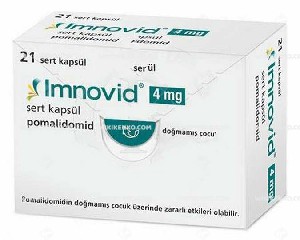
Fatigue and weakness are commonly reported symptoms in many patients receiving pomalidomide. This may be related to the effect of the drug on the hematopoietic system and immune system, or it may be related to the worsening of the underlying condition or the side effects caused by the combination of other drugs. Although fatigue is generally not life-threatening, it can significantly impact a patient's quality of life. Strategies for managing fatigue include reasonable schedules, moderate exercise, improved nutritional status, and combination with psychological support measures. Doctors will also evaluate whether there are correctable triggers, such as anemia or thyroid dysfunction, and treat them accordingly.
Pomalidomide may also cause other adverse effects such as thrombotic events, rash, and peripheral neurotoxicity. The risk of thrombosis is of particular concern, especially when combined with corticosteroids such as dexamethasone, as the incidence of venous thrombosis and pulmonary embolism is increased. Therefore, doctors often prescribe prophylactic anticoagulants such as aspirin or low-molecular-weight heparin in high-risk patients. Most rashes are mild and can be relieved by treatment with antihistamines or glucocorticoids; however, if the rash is severe or an allergic reaction occurs, the medication needs to be stopped and corresponding treatment given. In addition, some patients may experience peripheral neurotoxicity symptoms such as numbness and tingling in the hands and feet. Such symptoms should be distinguished from other neurotoxic drugs such as bortezomib, and the dose can be reduced or the treatment plan adjusted if necessary.
In summary, although pomalidomide is an immunomodulator with accurate efficacy, it is indeed accompanied by a variety of adverse reactions during use. Clinicians should evaluate the patient's basic condition and risk of complications in detail before treatment, closely monitor blood images, liver and kidney functions, and adverse reactions during treatment, and flexibly adjust dosage or auxiliary treatment measures according to the situation. Patients should also actively cooperate with treatment, pay attention to physical changes, and report discomfort symptoms to doctors in a timely manner, so as to achieve safe, effective, and individualized treatment goals.
Reference materials:https://en.wikipedia.org/wiki/Pomalidomide
[ 免责声明 ] 本页面内容来自公开渠道(如FDA官网、Drugs官网、原研药厂官网等),仅供持有医疗专业资质的人员用于医学药学研究参考,不构成任何治疗建议或药品推荐。所涉药品可能未在中国大陆获批上市,不适用于中国境内销售和使用。如需治疗,请咨询正规医疗机构。本站不提供药品销售或代购服务。


