
.jpeg)
Lorlatinib (lorlatinib) detailed instructions: usage, dosage, indications and precautions
Lorlatinib is a third-generation ALK (anaplastic lymphoma kinase) and ROS1 inhibitor A formulation designed to treat certain types of non-small cell lung cancer (NSCLC), especially patients who are resistant to previous generations of ALK inhibitors. The drug has stronger targeting activity at the molecular level, can penetrate the blood-brain barrier, and also shows good efficacy in patients with brain metastases. The following is a detailed explanation of the key contents of the instructions for lorlatinib, including usage and dosage, indications and precautions for use.
In terms of indications, lorlatinib is mainly used to treat patients with ALK-positive metastatic non-small cell lung cancer. Applicable to patients who have progressed after treatment with crizotinib (Crizotinib) and at least one other ALK inhibitor, or who are receiving Patients who have progressed after receiving first-line treatment with alectinib (Alectinib) or ceritinib (Ceritinib). Its strong ability to span drug-resistant mutations makes it an important choice for the treatment of resistance to multiple generations of ALK inhibitors. At the same time, lorlatinib also has certain activity against certain ROS1-positive NSCLC, but its use in ROS1-positive people still needs to be determined according to the drug registration situation in specific countries and regions.
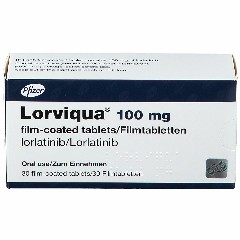
In terms of usage and dosage, the recommended standard dose of lorlatinib is once a day, 100 mg per time, administered orally. Patients should try to take the medicine at the same time every day. The medicine can be taken on an empty stomach or after a meal and is not affected by food. The medicine should be swallowed whole and not crushed or chewed. If you miss a dose and the time until the next dose is less than 4 hours, you should skip this dose. Drug metabolism mainly depends on the liver, so attention should be paid to drug interactions, especially strong inducers and inhibitors of CYP3A enzyme. The former may reduce the blood concentration of the drug, while the latter may increase the blood concentration and cause toxic reactions. Therefore, the patient's medication history needs to be evaluated in detail before use.
The instructions clearly list a series of usage precautions and adverse reaction management. The most common adverse reactions of lorlatinib include high cholesterol, high triglycerides, peripheral edema, cognitive impairment, mood changes, weight gain, fatigue and abnormal heart rate. It is particularly noteworthy that this drug may cause side effects related to the central nervous system, such as memory loss, language difficulties, depression, etc. The patient's neurological status needs to be regularly evaluated. Changes in blood lipid levels are common in laboratory tests, so it is recommended to monitor blood lipids every 2 weeks after the start of treatment, and then gradually extend the monitoring interval. In addition, we need to be alert to abnormal liver function and pulmonary toxicity. If a patient has dyspnea or dry cough, we should consider whether it is a sign of interstitial lung disease and deal with it in time.
The instructions also mention recommendations for use in special groups. For patients with hepatic or renal insufficiency, current clinical data are limited and caution should be used. Pregnant or breastfeeding women should avoid using lorlatinib due to the potential risk to the fetus or infant. Male patients need to take effective contraceptive measures during the medication and for at least 3 months after stopping the medication to prevent the potential impact of the medication on sperm. In addition, patients with a history of psychiatric disorders or taking other drugs that affect the central nervous system should be treated with special caution and monitored during treatment.
In summary, lorlatinib, as a third-generation targeted drug for ALK positive non-small cell lung cancer, has unique advantages in treating drug-resistant cases and controlling brain metastasis. The instructions provide detailed usage and dosage guidance and risk warnings. During clinical use, a comprehensive evaluation should be combined with the patient's specific condition and previous treatment history, and adverse reactions should be closely monitored to achieve the best therapeutic effect and patient safety.
Reference link:https://www.lorbrena.com/
[ 免责声明 ] 本页面内容来自公开渠道(如FDA官网、Drugs官网、原研药厂官网等),仅供持有医疗专业资质的人员用于医学药学研究参考,不构成任何治疗建议或药品推荐。所涉药品可能未在中国大陆获批上市,不适用于中国境内销售和使用。如需治疗,请咨询正规医疗机构。本站不提供药品销售或代购服务。


