
.jpeg)
The Difference Between Guanfacine and Clonidine
Guanfacine and clonidine (Clonidine) are both α2 adrenergic receptor agonists that act on the central nervous system and are often used in the treatment of hypertension and attention deficit hyperactivity disorder (ADHD). However, there are significant differences between the two in terms of pharmacological properties, receptor selectivity, clinical application, tolerance and side effects. Understanding the differences between these two drugs can help doctors and patients make more precise drug selections in actual treatment and optimize individualized treatment plans.
First of all, from the perspective of receptor selectivity, guanfacine is a more selective α2A adrenergic receptor agonist, while clonidine is a non-selective α2 receptor agonist and has agonistic effects on all three subtypes: α2A, α2B and α2C. α2A receptors have the highest density in the prefrontal cortex of the brain and are mainly involved in executive functions such as attention control, impulse regulation, and working memory. Therefore, the selective effect of guanfacine can better target the core pathological mechanism of ADHD. Clonidine, because it excites other subtype receptors, is prone to cause more side effects related to peripheral blood vessels and cardiac function, such as significant hypotension and bradycardia.
In terms of pharmacokinetics, Guanfacine extended-release (Guanfacine XR) has a longer half-life and a relatively stable blood concentration, making its once-daily administration easier for patients to comply with and reducing adverse reactions such as blood pressure fluctuations and drowsiness. In contrast, clonidine has a short half-life, rapid onset of action but large fluctuations in efficacy, and needs to be taken in divided doses, which may lead to a decrease in treatment compliance.
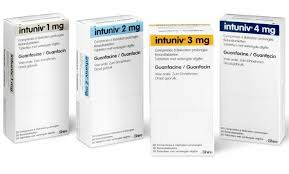
In terms of clinical application, both are approved by the US FDA for the treatment of ADHD in children and adolescents, especially for patients who cannot tolerate or have poor efficacy of central stimulants (such as methylphenidate). However, studies have found that guanfacine XR has a more stable effect in improving inattention and sleep problems, with fewer side effects, and is especially suitable for ADHD children with nighttime agitation and difficulty falling asleep. Although clonidine is also effective, due to its stronger sedative effect, it is often used as a short-term intervention for patients with severe anxiety or sleep disorders.
In the treatment of hypertension, although both drugs can reduce sympathetic nerve tone, dilate blood vessels, and lower heart rate, they are no longer first-line antihypertensive drugs due to their many side effects. Clonidine is more commonly used in the treatment of drug-resistant hypertensive crisis or withdrawal syndrome; guanfacine is more commonly used as an adjuvant treatment for neuropsychiatric disorders, such as the management of aggressive behavior in autism spectrum disorder.
Side effects are an important consideration for patients when selecting medications. Common side effects of guanfacine include drowsiness, fatigue, slowed heart rate, and hypotension, and these side effects usually lessen with longer treatment. The side effects of clonidine are more significant, including obvious sedation, dry mouth, orthostatic hypotension and rebound hypertension. Especially when the drug is stopped suddenly, rebound blood pressure is more likely to increase, so the dose needs to be gradually reduced when the drug is stopped.
In terms of combined treatment, guanfacineXR can be used in combination with methylphenidate stimulants to enhance the therapeutic effect and reduce the anxiety or insomnia side effects caused by stimulants alone. Clonidine can also be used in combination therapy, but its stronger sedative properties may interfere with daytime learning efficiency and requires individualized assessment.
Reference materials:https://pmc.ncbi.nlm.nih.gov/articles/PMC4494608/
[ 免责声明 ] 本页面内容来自公开渠道(如FDA官网、Drugs官网、原研药厂官网等),仅供持有医疗专业资质的人员用于医学药学研究参考,不构成任何治疗建议或药品推荐。所涉药品可能未在中国大陆获批上市,不适用于中国境内销售和使用。如需治疗,请咨询正规医疗机构。本站不提供药品销售或代购服务。


