
.jpeg)
Is Guanfacine primarily used to treat ADHD?
Guanfacine has been widely used in the treatment of attention deficit hyperactivity disorder (ADHD), especially in children and adolescents. It is especially suitable for patients who are intolerant or have poor efficacy of central stimulants (such as methylphenidate, amphetamines). Although it was originally an antihypertensive drug used to treat hypertension, studies on its pharmacological mechanism have found that guanfacine is highly selective for α2A adrenergic receptors in the prefrontal cortex of the brain. This site of action happens to be closely related to attention control, impulse suppression and emotion regulation, making it a new choice for ADHD treatment.
Guanfacine is particularly suitable for treating children with ADHD who mainly suffer from inattention and impulse control disorders.It has shown significant efficacy in alleviating agitation, difficulty falling asleep and impulsive behavior during the day. Its sustained-release dosage form (Guanfacine XR) is approved by the US FDA for the treatment of ADHD in children aged 6 years and above. It can be used alone or in combination with stimulants such as methylphenidate to enhance efficacy and reduce the incidence of side effects.
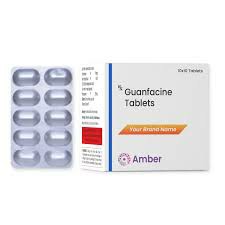
Unlike traditional central nervous system stimulants, guanfacine does not directly affect the dopamine system, so it does not cause common side effects such as addiction, appetite suppression, or mood swings. This also makes it more advantageous in ADHD patients with comorbid anxiety, sleep disorders, or tic disorders.ADHD patients. However, its most common adverse reactions are drowsiness, fatigue and mild hypotension, so the dose needs to be gradually increased during the initial medication period, and blood pressure and heart rate should be monitored regularly.
It needs to be emphasized that although guanfacine has established a certain role in ADHD treatment, it is not the first choice treatment for all patients. Clinical judgment should be based on symptom type, age, medical history and comorbidities. Overall, guanfacine is being accepted by more and more doctors and families as an effective non-stimulant treatment for ADHD, and is gradually becoming an important part of ADHD management.
Reference materials:https://pmc.ncbi.nlm.nih.gov/articles/PMC2526381/
[ 免责声明 ] 本页面内容来自公开渠道(如FDA官网、Drugs官网、原研药厂官网等),仅供持有医疗专业资质的人员用于医学药学研究参考,不构成任何治疗建议或药品推荐。所涉药品可能未在中国大陆获批上市,不适用于中国境内销售和使用。如需治疗,请咨询正规医疗机构。本站不提供药品销售或代购服务。


