
.jpeg)
Why is midostaurin banned? Analysis of contraindications and safety issues
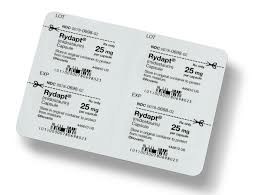
Midostaurin, trade name: RYDAPT, is an oral multi-target tyrosine kinase inhibitor that is widely used in the treatment of acute myeloid leukemia (AML) patients carrying FLT3 mutations and systemic mastocytosis (SM). Although it has shown significant advantages in improving patient response rate and survival, there are also some contraindications and safety issues that require special attention during clinical use. First, midostaurin is strictly prohibited for use in patients with allergic reactions to its active ingredient or any of its excipients. Such allergic reactions may include, but are not limited to, severe anaphylactic shock, difficulty breathing, facial flushing, chest pain, and angioedema, such as swelling of the larynx or tongue, and may be accompanied by life-threatening symptoms such as airway obstruction. Once this occurs, the drug must be discontinued immediately and emergency treatment must be taken.
In addition, midostaurin has been confirmed in clinical studies to cause a variety of adverse reactions, which are partly related to its inhibitory mechanism on multi-target tyrosine kinases. For example, this drug may affect the heart's electrical activity, causingQT interval prolongation, thereby increasing the risk of ventricular arrhythmias. Therefore, patients with a history of QT prolongation or who are receiving drugs that may prolong the QT interval should be treated with extreme caution, and electrocardiograms and electrolyte levels should be monitored regularly before taking the drug and during treatment. In terms of hematological safety, midostaurin may cause neutropenia, thrombocytopenia or anemia, especially during the combined chemotherapy phase. Therefore, patients need to undergo frequent blood routine examinations during treatment to prevent serious infection, bleeding or other complications related to hematopoietic function suppression.
In terms of drug interactions, midostaurin is mainly metabolized byCYP3A4 enzyme. Therefore, coadministration with strong CYP3A4 inhibitors or inducers may lead to abnormal fluctuations in drug concentration, thereby affecting efficacy or increasing toxicity. For example, when used in combination with drugs such as ketoconazole and clarithromycin, the pros and cons need to be carefully evaluated and the dose adjusted if necessary. In addition, midostaurin is contraindicated in pregnant women because animal studies have shown that the drug may have adverse effects on embryonic development and has teratogenic potential; when using this drug in women of childbearing age, effective contraception should be used throughout the treatment period and for at least 4 months after discontinuation of the drug.
Reference materials:https://medlineplus.gov/druginfo/meds/a617033.html
[ 免责声明 ] 本页面内容来自公开渠道(如FDA官网、Drugs官网、原研药厂官网等),仅供持有医疗专业资质的人员用于医学药学研究参考,不构成任何治疗建议或药品推荐。所涉药品可能未在中国大陆获批上市,不适用于中国境内销售和使用。如需治疗,请咨询正规医疗机构。本站不提供药品销售或代购服务。


