
.jpeg)
What are the indications for giritinib? What diseases are mainly treated?
Gilteritinib trade name FLT3 gene mutation is one of the most common genetic abnormalities in AML, especially FLT3-ITD (internal tandem duplication) mutation, whose presence is usually closely related to rapid disease progression, poor prognosis, and high recurrence rate. Giritinib selectively inhibits the abnormal activity of FLT3 protein and blocks the signaling pathway of leukemia cells, thereby inhibiting their proliferation and inducing apoptosis, providing a new way for precise treatment of this type of patients.
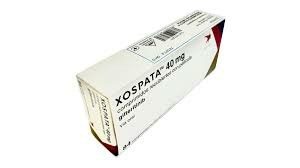
As a second-generation FLT3 inhibitor, giritinib can not only effectively target FLT3-ITD mutations, but also FLT3-TKD (secondary tyrosine kinase domain) mutations, and can continue to exert efficacy in some patients who have developed resistance to first-generation FLT3 inhibitors (such as sorafenib). According to the results of the global phase III clinical trial ADMIRAL study, giritinib significantly improved the overall survival of patients with relapsed or refractory FLT3-mutated AML, with a median overall survival of approximately 9.3 months, compared with 5.6 months in the standard chemotherapy group, showing a significant survival benefit.
Giritinib is an oral drug that is easy to use. The recommended dose is 120mg per day and should be continued until the disease progresses or unacceptable adverse reactions occur. Due to its high target selectivity, giritinib is generally well tolerated, but some side effects may occur, such as increased liver function indicators, increased creatinine, prolongation of the QT interval, muscle pain, fatigue, and diarrhea. Therefore, blood routine, electrolytes, liver and kidney function, and electrocardiogram monitoring need to be performed regularly during the medication to ensure the safety of the medication.
Giritinib is currently approved for use in many countries and has been included in mainstream treatment guidelines such asNCCN. It is used to treat patients with relapsed or refractory FLT3-mutated AML, filling the gap in the field of targeted therapy for such high-risk leukemia patients. Although it has not yet been widely marketed in China, its application in overseas markets has gained widespread clinical recognition and provides an important drug reference for the future domestic treatment of this type of leukemia.
Reference materials:https://www.xospata.com/
[ 免责声明 ] 本页面内容来自公开渠道(如FDA官网、Drugs官网、原研药厂官网等),仅供持有医疗专业资质的人员用于医学药学研究参考,不构成任何治疗建议或药品推荐。所涉药品可能未在中国大陆获批上市,不适用于中国境内销售和使用。如需治疗,请咨询正规医疗机构。本站不提供药品销售或代购服务。


