
.jpeg)
The correct method, time and precautions for taking upatinib
Upadacitinib is an oral JAK inhibitor used to treat rheumatoid arthritis (RARA pan>), atopic dermatitis (AD), ulcerative colitis (UC) and other immune-related diseases. By inhibiting JAK1, it weakens the inflammatory response, thereby controlling abnormal immune system responses. Unlike other drugs that treat immune diseases, upadatinib is administered in an oral form, making it easier for patients to self-administer. Knowing the correct way to take it and what precautions to take are crucial to ensuring the effectiveness and safety of your medication.
1. How to take and when to take
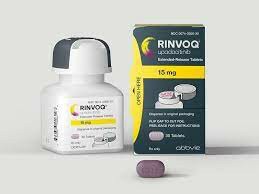
Upadatinib is usually taken in tablet form once daily. The drug can be taken with food or on an empty stomach, that is, the taking time is not affected by food. Patients can choose a suitable time to take the drug according to their personal lifestyle habits.
Standard dosage:
For rheumatoid arthritis, the usual recommended dose is15mg once daily. If the condition is not well controlled, the dosage can be adjusted according to the doctor's advice, but it should not exceed 30 mg per day.
For atopic dermatitis, the recommended starting dose is also 15mg once daily, and the dose may be increased at the physician's discretion to 30mg once daily based on patient tolerance and response to treatment.
For ulcerative colitis, the recommended starting dose is 30mg once daily, and the maintenance dose is usually 15mg once daily.
Upatinib is a long-term treatment drug, so patients need to take the drug on time according to the doctor's guidance and undergo regular treatment evaluation. In order to ensure the best efficacy, patients must take the recommended dosage and do not increase or decrease the dosage or stop medication without authorization.
2. Precautions for use
Avoid missing medications:
If the patient forgets to take a medication, he should try to take the forgotten dose when he remembers that day. However, if it is close to the next dose time, he should skip the forgotten dose and take the medication at the normal time. Never take twice the dose to make up for a missed dose at one time to avoid unnecessary side effects.
Monitoring and inspection:
During the period of using Upatinib, patients need to undergo regular blood tests, especially white blood cell count, liver and kidney function, blood lipid levels, etc. Because upadatinib may affect immune system function by inhibiting JAK1, leading to an increased risk of infection, you should pay close attention to signs of infection during treatment, such as fever, cough, urinary tract infection, etc.
In addition, upadatinib may have certain effects on the blood system, such as anemia, low platelets, etc. Patients need to undergo regular blood routine examinations to ensure blood health during treatment.
Avoid use with certain medications:
Drug interactions of upadatinib may affect efficacy or increase side effects, so it is necessary to avoid concurrent use with certain drugs, especially strong CYP3A4 inducers (such as carbamazepine, phenobarbital) and certain immunosuppressive drugs (such as cyclosporine). Before using upadacitinib, be sure to tell your doctor about all the medications you are taking, including over-the-counter medicines, herbal remedies, and supplements, so your treatment can be adjusted.
Indications to discontinue use:
If the patient develops severe infection symptoms (such as pneumonia, tuberculosis, hepatitis), hematological abnormalities (such as persistent anemia or leukopenia), or severe liver function abnormalities while taking upadatinib, he should stop using it immediately and seek medical treatment in time.
3. Potential Side Effects and Management
Common side effects of upadatinib include headache, nausea, upper respiratory tract infection, hematological abnormalities (such as leukopenia, thrombocytopenia), etc. For most patients, these side effects are mild and usually lessen as the body adjusts to the medication.
However, some patients may experience more serious side effects, such as serious infections, cardiovascular events (such as high blood pressure, venous thrombosis), or liver damage. During treatment, patients need to regularly monitor indicators such as blood pressure, heart health and liver function. If any abnormal symptoms occur, such as persistent fever, difficulty breathing, extreme fatigue, or yellowing of the skin, patients should contact their doctor immediately to consider whether treatment needs to be adjusted.
4. Medication recommendations for special groups
For the elderly or patients with hepatic and renal insufficiency, upadatinib needs to be used with greater caution. In such patients, the metabolism of upadacitinib may be altered, requiring dose adjustment or increased frequency of monitoring. The doctor will evaluate whether the drug is suitable for use based on the patient's specific situation and may recommend a more cautious dose adjustment.
Pregnancy and lactation:
The safety of upadatinib during pregnancy and lactation has not yet been determined. Therefore, when pregnant or lactating women use this drug, they need to weigh the pros and cons and decide whether to continue using it under the guidance of a doctor.
Upapatinib is a potent JAK1Inhibitors help treat immune diseases such as rheumatoid arthritis and atopic dermatitis by regulating abnormal responses of the immune system. The correct way to take it is once a day, with food or on an empty stomach. Patients need to pay close attention to side effects and regularly check blood, liver and kidney function and other indicators while taking the medication, and avoid interactions with certain medications. For patients with special health conditions, they should be used more cautiously and make adjustments under the guidance of a doctor. When used appropriately, upadatinib can significantly improve patients’ symptoms and quality of life.
Reference materials:https://www.rinvoq.com/
[ 免责声明 ] 本页面内容来自公开渠道(如FDA官网、Drugs官网、原研药厂官网等),仅供持有医疗专业资质的人员用于医学药学研究参考,不构成任何治疗建议或药品推荐。所涉药品可能未在中国大陆获批上市,不适用于中国境内销售和使用。如需治疗,请咨询正规医疗机构。本站不提供药品销售或代购服务。


