
.jpeg)
What are the precautions for taking Dinutuximab?
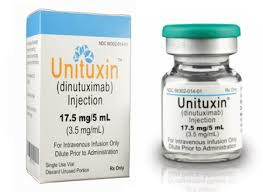
Dinutuximab (Dinutuximab) is a targeted therapy drug mainly used to treat high-risk neuroblastoma (neuroblastoma). Although this drug has shown significant efficacy in clinical treatment, its use is also accompanied by certain risks and precautions. Understanding these considerations is critical to ensuring the safety of your patient's treatment. The following are some aspects that require special attention when using datuximab:
1. Monitoring of allergic reactions and immune reactions
As a monoclonal antibody drug, one of the most common side effects of datuximab is allergic reactions, including rash, dyspnea, hypotension, etc. Some patients may have allergic reactions to the ingredients in the drug or the antibodies themselves, so treatment must be started with first aid equipment and drugs available and monitored by an experienced medical team. The patient's signs and symptoms should be closely observed during treatment. In the event of a severe allergic reaction (such as anaphylactic shock), the medication must be stopped immediately and appropriate first aid measures must be taken. For patients with a known history of allergies, doctors may give allergy medications (such as antihistamines) before treatment to reduce the risk of an allergic reaction.
2. Management of neuropathic pain
Neuropathic pain is a common side effect of datuximab treatment, especially during initial treatment. Pain usually manifests as burning, stinging, or deep, dull pain, mainly in the limbs, face, and trunk. Because the drug fights tumor cells through the immune system, it may also affect the nervous system and cause pain. To relieve pain, patients may need pain medications such as opioids, nonsteroidal anti-inflammatory drugs (NSAIDs), or topical analgesics. During treatment, doctors should regularly assess patients' pain symptoms and adjust pain management strategies as needed.
3. Hematology Monitoring
Changes in blood cell counts are one of the common side effects during treatment with datuximab. Patients may develop hematologic problems such as leukopenia, anemia, or thrombocytopenia. Cytopenia reduces the patient's immune system function, thereby increasing the risk of infection, and may also increase bleeding tendency. Therefore, during treatment, routine blood tests must be performed regularly to monitor the number of white blood cells, red blood cells, and platelets. If blood cell levels are found to be below the normal range, treatment may need to be adjusted or appropriate supportive care, such as blood transfusions or antibiotics, to prevent infection.
4. Liver function monitoring
Some patients may develop liver function abnormalities while receiving datuximab, especially early in treatment. Common liver function abnormalities include serum liver enzymes (such as ALT, AST) rises. Although these changes are usually temporary, they may lead to more severe liver damage in a small number of patients. Therefore, liver function indicators must be monitored regularly during treatment. If liver function abnormalities are severe, treatment may need to be suspended and corresponding symptomatic treatment taken according to the doctor's recommendations.
5. Monitoring of cardiovascular system
Treatment with datuximab may cause some cardiovascular side effects, particularly hypotension. Medications may trigger an immune response that causes blood vessels to dilate, causing hypotension. Some patients may experience symptoms such as fainting and dizziness. In order to avoid complications caused by hypotension, the patient's blood pressure needs to be monitored regularly during treatment, and the drug infusion rate should be adjusted or vasopressor drugs given if necessary. If a patient develops severe hypotension or other cardiovascular problems, treatment should be discontinued immediately and managed accordingly.
6. Management of Fever and Chills
Fever and chills are common side effects of datuximab treatment, especially during the early stages of drug infusion. Because the drug triggers an immune response, some patients will experience an increase in body temperature, accompanied by chills, sweating, headache and other symptoms. Typically, febrile reactions are short-lived but may affect patient comfort and treatment progress. To relieve fever and chills, doctors often prescribe fever-reducing medications (such as acetaminophen) and anti-inflammatory medications before and after treatment. Patients should maintain adequate fluid intake during treatment and receive appropriate symptomatic treatment.
7. Overuse and Drug Dependence
During datuximab treatment, overuse of the drug may have adverse effects on patients. Although its efficacy is remarkable, long-term or excessive use may lead to drug resistance problems, so treatment must be carried out strictly in accordance with medical instructions. Patients need to follow their doctor's advice during treatment and avoid adjusting the dosage or stopping the medication on their own. To maximize the effectiveness of treatment, patients should work closely with their doctor to ensure the rational use of medications and to regularly evaluate efficacy and side effects.
8. Use for other special groups
Particular caution is required when using datuximab in children, the elderly, or patients with other underlying medical conditions. Due to differences in immune systems, metabolic functions, etc. among these groups, individualized adjustments to drug doses may be required. Additionally, the potential risks and benefits of the drug should be weighed against its use in pregnant and breastfeeding women. Pregnant and breastfeeding women should avoid the use of datuximab unless under the guidance of a physician, the benefits of treatment outweigh the risks.
In summary, when using datuximab to treat neuroblastoma, multiple considerations such as allergic reactions, neuropathic pain, hematological abnormalities, liver function, and cardiovascular problems need to be paid attention to. Patients should maintain close contact with their doctors during treatment to ensure timely monitoring and response to possible side effects. With comprehensive management, datuximab can provide patients with effective treatment and help improve survival rates.
References:
https://www.fda.gov/drugs/drug-approvals-and-databases/drug-approval-package-dinutuximab
[ 免责声明 ] 本页面内容来自公开渠道(如FDA官网、Drugs官网、原研药厂官网等),仅供持有医疗专业资质的人员用于医学药学研究参考,不构成任何治疗建议或药品推荐。所涉药品可能未在中国大陆获批上市,不适用于中国境内销售和使用。如需治疗,请咨询正规医疗机构。本站不提供药品销售或代购服务。


