
.jpeg)
Overview of interactions between cobimetinib and other drugs
As a targeted anti-tumor drug, the pharmacokinetic properties of cobimetinib determine that it has a significant risk of interaction with other drugs. These interactions are mainly due to the fact that cobimetinib is metabolized by the cytochrome P450 3A4 (CYP3A4) enzyme system, which causes significant interactions when it is coadministered with drugs that affect the activity of this enzyme. These interactions must be fully understood in clinical use to ensure therapeutic efficacy and reduce the risk of adverse reactions.
Among drug interactions, the most concerning is the combination of cobimetinib andCYP3A4inhibitors. Research data shows that when cobimetinib is combined with a strong CYP3A4 inhibitor such as itraconazole, its plasma concentration may increase by as much as 6.7 times, which will significantly increase the risk of drug toxicity. A similar situation also occurs when combined with moderately effective inhibitors such as erythromycin, ciprofloxacin and other antibiotics. Clinically, it is recommended to avoid the combination of such drugs as much as possible. If it is necessary to use a moderate inhibitor in the short term (no more than 14 days), the dose of cobimetinib needs to be reduced from the conventional 60 mg to 20 mg, and the original dose should be restored after stopping the inhibitor. For patients already taking reduced-dose cobimetinib (40mg or 20mg), alternative drugs should be sought to avoid interactions.
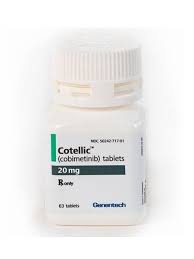
On the other hand, the interaction between cobimetinib andCYP3A4 inducers cannot be ignored. Powerful inducers such as rifampicin, carbamazepine, phenytoin, etc. may reduce the plasma concentration of cobimetinib by more than 80%, which will seriously affect the therapeutic effect. It is particularly worth noting that some commonly used drugs, such as the anti-epileptic drug carbamazepine and the antidepressant drug St. John's wort extract, have moderate to strong CYP3A4 induction effects. Clinically, the combination of these drugs with cobimetinib should be avoided as much as possible. If patients must use such drugs, they may need to consider adjusting the dose of cobimetinib or switching to other alternative treatment options.
In addition to the typical drug interactions mentioned above, cobimetinib may interact with other drugs metabolized byCYP3A4. For example, certain anticoagulants, antiarrhythmic drugs, etc. may require special monitoring when used in combination with cobimetinib. In addition, the effect of cobimetinib on the P-glycoprotein transporter may also alter the pharmacokinetic properties of certain substrate drugs. Therefore, when adding any new drug to cobimetinib treatment, a physician or pharmacist should be consulted to assess the potential risk of interaction. For drugs that must be used in combination, it is particularly important to closely monitor the efficacy and adverse reactions. If necessary, monitor blood drug concentrations and adjust dosage to ensure the safety and effectiveness of the treatment.
Reference link:https://www.gene.com/patients/medicines/cotellic
[ 免责声明 ] 本页面内容来自公开渠道(如FDA官网、Drugs官网、原研药厂官网等),仅供持有医疗专业资质的人员用于医学药学研究参考,不构成任何治疗建议或药品推荐。所涉药品可能未在中国大陆获批上市,不适用于中国境内销售和使用。如需治疗,请咨询正规医疗机构。本站不提供药品销售或代购服务。


