
.jpeg)
How effective is Vibutuximab?
Welbutuximab (Adcetris), as an antibody-drug conjugate (ADC) targeting the CD30 antigen, has shown impressive efficacy in the treatment of lymphoma. Especially in the fields of Hodgkin lymphoma (HL), systemic anaplastic large cell lymphoma (sALCL), and cutaneous T-cell lymphoma (CTCL), the role and efficacy of ibtuximab have been widely recognized and studied.
In the treatment of Hodgkin lymphoma, the efficacy of velbutuximab is particularly significant. A major study of 1,334 patients with untreated CD30-positive Hodgkin lymphoma showed that compared with bleomycin plus doxorubicin, vinblastine, and dacarbazine, a regimen of vilbutuximab plus doxorubicin, vinblastine, and dacarbazine resulted in a higher proportion of patients who were free of disease progression after two years (82% vs. 77%) and a higher 4-year survival rate (95% vs. 92%). This result fully demonstrates the superiority of ibtuximab in the treatment of Hodgkin lymphoma.
Velbutuximab also shows strong therapeutic potential for patients with Hodgkin lymphoma who have relapsed or failed to respond to previous treatments. In a study of 102 such patients, 75% had a partial or complete response to velbutuximab, with 33% achieving a complete response. This data is undoubtedly a huge boon for patients with limited treatment options.
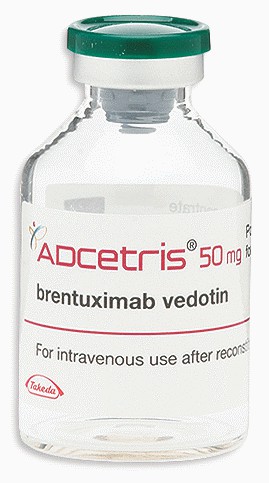
In addition, velbutuximab has also shown good efficacy in the treatment of systemic anaplastic large cell lymphoma (sALCL). In a study of 452 patients with CD30-positive peripheral T-cell lymphoma (PTCL), the combination of velbutuximab plus cyclophosphamide, doxorubicin, and prednisone demonstrated efficacy comparable to that of cyclophosphamide, doxorubicin, vincristine, and prednisone, even though most patients had sALCL. Among patients with relapsed or treatment-refractory sALCL, the efficacy of velbutuximab was even more significant. 86% of patients had a partial or complete response to treatment, and 59% of them achieved complete remission.
In the treatment of skin T-cell lymphoma (CTCL), velbutuximab has also demonstrated its unique efficacy. A study of 128 patients with CD30-positive CTCL who had received at least one prior therapy showed that a higher proportion of patients treated with ibtuximab had disease remission of at least 4 months compared with methotrexate or bexarotene (56% vs 13%). This result further demonstrates the effectiveness and superiority of ibtuximab in the treatment of cutaneous T-cell lymphoma.
Of course, the use of any medication comes with certain risks and side effects. Vibutuximab is no exception, and its possible adverse reactions include but are not limited to peripheral neuropathy, bone marrow suppression, increased risk of infection, etc. However, compared with the significant benefits achieved with ibtuximab, these risks and side effects are acceptable and manageable in most cases.
In short, vilbutuximab, as an antibody-drug conjugate targetingCD30 antigen, has demonstrated significant efficacy and broad application prospects in the treatment of lymphoma. Whether in the treatment of Hodgkin's lymphoma, systemic anaplastic large cell lymphoma or cutaneous T-cell lymphoma, velbutuximab has demonstrated its unique advantages and potential. In the future, with the continuous deepening of research and the accumulation of clinical experience, it is believed that ibtuximab will play a more important role in the treatment of lymphoma.
Reference materials:https://www.ema.europa.eu/en/medicines/human/EPAR/adcetris
[ 免责声明 ] 本页面内容来自公开渠道(如FDA官网、Drugs官网、原研药厂官网等),仅供持有医疗专业资质的人员用于医学药学研究参考,不构成任何治疗建议或药品推荐。所涉药品可能未在中国大陆获批上市,不适用于中国境内销售和使用。如需治疗,请咨询正规医疗机构。本站不提供药品销售或代购服务。


