
.jpeg)
Know all about the adverse reactions and coping strategies of cobimetinib
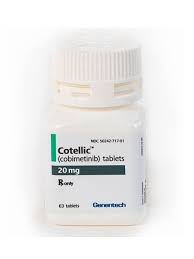
Cobimetinib (Cobimetinib), as a targeted drug for the treatment of specific mutated melanoma, may also cause a series of adverse reactions while exerting anti-tumor effects. Understanding these possible side effects and how to deal with them is critical for patients undergoing treatment.
In terms of the visual system, cobimetinib may cause vision changes, visual field defects or halos. In severe cases, it may lead to retinopathy or even retinal vein occlusion. Once these symptoms occur, patients should immediately stop taking the medication and seek medical examination. Regular follow-up visits and vision monitoring with an ophthalmologist are important in preventing serious eye complications. The impact on the muscular system manifests as unexplained myalgia and muscle weakness. If accompanied by fever and dark urine, it indicates the possible risk of rhabdomyolysis. In this case, the drug needs to be discontinued immediately and relevant examinations required.
Adverse reactions on the cardiovascular system deserve particular attention. Patients may experience symptoms of cardiomyopathy such as palpitations, chest tightness, and shortness of breath, as well as symptoms of heart failure such as lower limb edema. Regular cardiac function assessment and symptom monitoring are essential during treatment. In terms of blood system, cobimetinib may increase the risk of bleeding, manifested as abnormal ecchymoses, epistaxis, gum bleeding, and even visceral bleeding. When these situations occur, you should seek medical advice promptly to assess the risk of bleeding. Abnormal liver function is also a common problem, manifested as loss of appetite, nausea, yellow skin, etc. Regular liver function tests can help detect liver damage early.
Skin reactions are one of the most common adverse reactions of cobimetinib treatment. Patients may develop acne-like rashes, dry skin, itching, and in severe cases may develop exfoliative dermatitis. Use mild skin cleansing products in daily care, avoid direct sunlight, and use doctor-recommended ointments to relieve symptoms if necessary. Gastrointestinal reactions such as nausea, vomiting, diarrhea, etc. can be alleviated by adjusting the diet and eating small and frequent meals. In severe cases, drug intervention may be required.
For the management of these adverse reactions, doctors will adopt different strategies depending on the severity. Mild reactions usually do not require dose adjustment and can be relieved with symptomatic treatment; moderate reactions may require temporary dose reduction; and severe or life-threatening reactions require permanent discontinuation of the drug. During the entire treatment process, patients should maintain close communication with their doctors, conduct regular examinations, and report any new or worsening symptoms in a timely manner, so as to minimize the risk of adverse drug reactions while ensuring the treatment effect.
Reference link:https://www.gene.com/patients/medicines/cotellic
[ 免责声明 ] 本页面内容来自公开渠道(如FDA官网、Drugs官网、原研药厂官网等),仅供持有医疗专业资质的人员用于医学药学研究参考,不构成任何治疗建议或药品推荐。所涉药品可能未在中国大陆获批上市,不适用于中国境内销售和使用。如需治疗,请咨询正规医疗机构。本站不提供药品销售或代购服务。


