
.jpeg)
What is the dosage of Dinutuximab?
Dinutuximab (Dinutuximab) is a monoclonal antibody targeting the GD2 antigen and is widely used to treat high-risk neuroblastoma (neuroblastoma). Its dosage and usage need to be adjusted according to the patient's specific condition, weight, treatment response and control of side effects. The treatment plan is usually formulated by a professional medical team.
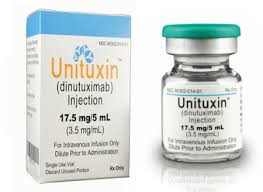
Datuximab treatment is usually divided into multiple cycles, and the specific dose depends on the patient's weight and treatment cycle. Typically, the standard dose of datuximab is 17.5 milligrams per square meter of body surface area, and the drug is usually given by intravenous injection. Treatment generally involves 4 consecutive cycles of drug infusion, with each cycle usually being 4 to 5 weeks in length.
During the first few days of treatment, patients will receive a slower infusion to assess whether allergic reactions or other adverse effects may occur. If the patient tolerates the initial infusion rate, subsequent treatment can be performed at a higher infusion rate. Each infusion usually lasts from 1 to 2 hours, with the specific length determined by the doctor based on the patient's tolerance.
Each treatment cycle usually consists of continuous infusion therapy, usually ranging from 5 days to 7 days. During these days, patients will receive an infusion of the drug every other day. After the treatment cycle, patients will undergo a rest period to allow the body to recover and to monitor for any adverse effects.
Datuximab treatment is usually tailored to the patient's specific circumstances, and some patients may require additional treatment cycles. The interval between treatment cycles is usually 4 to 5 weeks to ensure the effect of the drug and maximize the killing effect on the tumor.
Prior to datuximab infusion, patients typically require conditioning, which includes the use of anti-allergic medications (such as antihistamines), pain medications, and antipyretics to relieve possible side effects such as anaphylaxis, fever, and pain. In addition, patients may need to receive fluid infusions and electrolyte replacement during treatment to prevent hypotension and other circulatory problems.
During the treatment process, doctors will closely monitor the patient's blood routine, liver and kidney function, and immune response to ensure the safe use of the drug. If serious adverse reactions occur or the patient is unable to tolerate certain side effects, the dose may need to be adjusted or treatment suspended.
References:
https://www.fda.gov/drugs/drug-approvals-and-databases/drug-approval-package-dinutuximab
[ 免责声明 ] 本页面内容来自公开渠道(如FDA官网、Drugs官网、原研药厂官网等),仅供持有医疗专业资质的人员用于医学药学研究参考,不构成任何治疗建议或药品推荐。所涉药品可能未在中国大陆获批上市,不适用于中国境内销售和使用。如需治疗,请咨询正规医疗机构。本站不提供药品销售或代购服务。


