
.jpeg)
Inventory of precautions when using cobimetinib
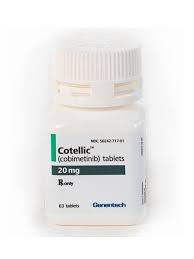
Cobimetinib (Cobimetinib), trade nameCotellic, is an oral inhibitor targetingMEKkinase. It is mainly suitable for combined treatment with vemurafenib to treat patients with BRAF. Adult patients with V600E or V600K mutated unresectable or metastatic melanoma can also be used as a single agent for the treatment of certain histiocytic tumors. As a targeted drug, cobimetinib blocks the abnormal proliferation of tumor cells by inhibiting the key protein MEK in the MAPK signaling pathway. However, since this pathway is also involved in the physiological functions of normal cells, special attention needs to be paid to its potential adverse reactions and drug interactions during medication to ensure the safety and effectiveness of the treatment.
Before using cobimetinib, patients should fully inform their doctors about their health conditions, especially if they have heart disease, arrhythmia, retinopathy, liver and kidney insufficiency, skin disease, muscle disease or bleeding tendency. These underlying diseases may increase the risk of medication, and a doctor must evaluate whether cobimetinib is suitable for use. In addition, cobimetinib may increase the risk of new malignant tumors. Therefore, patients should undergo regular skin and systemic examinations during treatment and within 6 months after discontinuation of treatment for early detection of possible secondary tumors.
Cobimetinib may cause a variety of serious adverse reactions and requires close monitoring. Among them, cardiomyopathy is a problem that requires special attention during combination therapy, especially when combined with vemurafenib, which may further increase the risk of cardiotoxicity. It is recommended to conduct an evaluation of left ventricular ejection function (LVEF) before treatment, after 1 month of treatment, and every 3 months thereafter, to detect abnormal cardiac function in a timely manner. In addition, cobimetinib may cause serous retinopathy or retinal vein occlusion. If patients experience blurred vision, visual field defects or other visual abnormalities, they should seek medical treatment immediately and permanently discontinue the drug if necessary. Skin reactions are also common adverse reactions. Severe rashes or skin desquamation need to be treated in time. If necessary, the dose should be adjusted or the medication should be suspended.
Drug interactions are another critical issue in the use of cobimetinib. Cobimetinib is mainly metabolized by the CYP3A4 enzyme. Therefore, when combined with strong or moderate CYP3A4 inhibitors (such as itraconazole, erythromycin, etc.), it may cause a significant increase in blood concentration and increase the risk of toxicity. If a moderate inhibitor must be used in combination for a short period of time, the dose of cobimetinib needs to be reduced to 20 mg and restored to the original dose after discontinuing the inhibitor. On the contrary, combined use with CYP3A4 inducers (such as rifampicin, carbamazepine, etc.) will reduce the plasma concentration of cobimetinib and affect the efficacy, and should be avoided as much as possible. In addition, herbs such as St. John's wort may also interfere with drug metabolism, and patients should use them with caution.
In summary, cobimetinib is an effective targeted therapy, but it needs to be used under strict monitoring. Patients should follow medical advice, undergo relevant examinations regularly, and report any abnormal symptoms in a timely manner. At the same time, avoid combining it with other drugs that may interact to ensure the safety and optimal efficacy of the treatment. With rational medication management, cobimetinib can provide significant clinical benefits to eligible patients.
Reference link:https://www.gene.com/patients/medicines/cotellic
[ 免责声明 ] 本页面内容来自公开渠道(如FDA官网、Drugs官网、原研药厂官网等),仅供持有医疗专业资质的人员用于医学药学研究参考,不构成任何治疗建议或药品推荐。所涉药品可能未在中国大陆获批上市,不适用于中国境内销售和使用。如需治疗,请咨询正规医疗机构。本站不提供药品销售或代购服务。


