
.jpeg)
What are the side effects of adenovirus (AAV rh74)-based gene therapy?
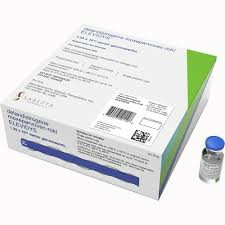
Delandistrogene moxeparvovec-rokl, based on adenovirus (AAV rh74) gene vector, is currently the cutting-edge gene therapy used to treat Duchenne Muscular Dystrophy (DMD). As a new, one-time-administered treatment, it helps patients produce functional proteins in their bodies by delivering micro-dystrophin genes, thereby delaying muscle degeneration. However, since this therapy involves a high degree of interaction between gene delivery and the immune system, its potential side effects cannot be ignored. Understanding the possible adverse reactions can help patients and their families make more rational treatment decisions.
First, abnormal liver function is one of the most common adverse reactions of this therapy. Since the AAV vector will be cleared or metabolized by the liver after entering the human body, it often puts a certain burden on the liver. After receiving treatment, patients may experience elevated transaminases (ALT, AST), or even liver cell damage. In FDA approved clinical studies, some children experienced significant increases in liver function indicators within a short period of time after receiving treatment and needed to rely on oral glucocorticoids to control immune responses. Liver function abnormalities are reversible in most cases, but still require close monitoring before and after treatment.
Secondly, immune system response is also a key concern. AAVAlthough the vector is relatively safe in terms of safety, it may still be recognized as a "foreign object" by the human body, thereby inducing an immune response. This immune response may affect the stability of gene expression and even lead to reduced efficacy. Clinically, some patients experienced flu-like reactions such as fever, fatigue, headache, nausea, etc. after receiving treatment. In order to reduce the risk of an immune reaction, preventive medication, such as hormonal drugs, is usually given before treatment, and a period of immune monitoring is performed after treatment.
Thirdly, heart-related side effects also require attention in gene therapy. Although delandistrogene moxeparvovec-rokl mainly acts on skeletal muscle, it may also enter cardiomyocytes through blood circulation. Some clinical reports show that some patients show signs of heart rate changes or abnormal cardiac function after receiving treatment. Although this is not a common occurrence, special attention should be paid to DMD patients with existing cardiac diseases.
In addition, thrombocytopenia and coagulation abnormalities have been observed in some clinical cases. AAVThe vector may stimulate the immune system and indirectly affect the hematopoietic system, causing thrombocytopenia and thus increasing the risk of bleeding. Therefore, it is recommended to conduct coagulation function tests and routine blood evaluation before treatment to ensure that the patient has no obvious hematological abnormalities.
A more serious but rare risk is acute kidney injury, which may be related to immune complex deposition or drug metabolism. Some patients experience increased creatinine and proteinuria after receiving treatment, indicating impaired renal function. Renal function should be monitored regularly during treatment, and the patient's water and electrolyte balance should be noted.
It is worth noting that since delandistrogene moxeparvovec-rokl is a one-time use gene therapy, all side effects usually appear within days to weeks after administration. Therefore, the entire treatment process must be completed in a medical center with experience in gene therapy, and has a complete postoperative observation and emergency treatment mechanism. Most adverse reactions can be alleviated after timely intervention, but a few serious events still require attention.
In general, the side effects of delandistrogene moxeparvovec-rokl mainly include abnormal liver function, immune response, fluctuations in cardiac function, thrombocytopenia and rare renal function damage. In clinical trials, its overall tolerability is acceptable, but due to large individual differences and complex disease base, each patient needs to undergo strict screening and evaluation before treatment. While understanding the efficacy, family members should also fully understand possible side effects and corresponding measures to ensure that treatment is carried out in a controlled and safe environment.
References:
https://www.fda.gov/drugs/drug-approvals-and-databases/delandistrogene-moxeparvovec-rokl
[ 免责声明 ] 本页面内容来自公开渠道(如FDA官网、Drugs官网、原研药厂官网等),仅供持有医疗专业资质的人员用于医学药学研究参考,不构成任何治疗建议或药品推荐。所涉药品可能未在中国大陆获批上市,不适用于中国境内销售和使用。如需治疗,请咨询正规医疗机构。本站不提供药品销售或代购服务。


