
.jpeg)
What is the main difference between tilsiparatide/tilpotide and semaglutide?
Tirzepatide and Semaglutide are two of the more advanced drugs currently used to treat type 2 diabetes. Although they both belong to GLP-1 receptor agonist drugs, they are different in pharmacological mechanisms, therapeutic effects and indications, so they have their own advantages and characteristics in clinical application.
First of all, the biggest difference between tilsiparatide and semaglutide is the mechanism of action. Semaglutide is a single GLP-1 (glucagon-like peptide-1) receptor agonist that regulates blood sugar by mimicking the effects of the GLP-1 hormone in the body. GLP-1 can enhance insulin secretion, inhibit glucagon secretion, and slow down gastric emptying, thereby effectively lowering blood sugar. In addition, GLP-1 also has the effect of promoting weight loss, so semaglutide can also help diabetic patients lose weight while controlling blood sugar. Semaglutide is widely used in clinical practice and is not only effective in type 2 diabetes but also shows positive results in weight loss treatment.
Tisiparatide is a dual agonist that acts on both theGLP-1 receptor and the GIP (glucose-dependent insulin-releasing polypeptide) receptor. GIP is an intestinal hormone similar to GLP-1 that also stimulates insulin secretion. Through dual mechanisms, tilsiparatide can not only enhance insulin secretion, but also improve insulin sensitivity, thereby controlling blood sugar more effectively. Studies have shown that tilsiparatide has a stronger advantage in reducing blood sugar than semaglutide, especially in reducing postprandial blood sugar. It also has more weight-loss effects, which makes it useful in treating type 2 diabetes while also helping to improve symptoms of obesity.
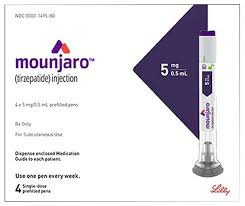
From the perspective of therapeutic effects, both tilsiparatide and semaglutide can significantly reduce blood sugar and also have good effects on weight control. However, clinical data suggest that tilsiparatide is superior at reducing weight and controlling HbA1c (glycated hemoglobin). For example, tilsiparatide has been shown in clinical trials that it can significantly help patients lose weight while lowering blood sugar, and the weight loss is relatively large. Although semaglutide also has a weight loss effect, its weight loss effect is slightly inferior to that of tilsiparatide.
In terms of administration method, semaglutide is usually injected once a week, while tilsiparatide is also injected once a week. The difference in dosing frequency between the two is small, but the dual mechanism of tilsiparatide may make its therapeutic effect more significant for some patients. For patients who do not respond well to a single GLP-1 agonist or who wish to control blood sugar through more mechanisms, tilsiparatide is an option worth considering.
In addition, the side effects of the two are somewhat different. Common side effects of semaglutide include gastrointestinal symptoms such as nausea, vomiting, and diarrhea, which are usually noticeable early in treatment. The side effects of tilsiparatide include similar gastrointestinal effects, but the incidence of side effects is lower and the duration of adverse effects is usually shorter. However, since both drugs are injectable drugs, patients need regular injections during treatment, which may cause inconvenience to some patients.
Reference materials:https://www.drugs.com/tirzepatide.html
[ 免责声明 ] 本页面内容来自公开渠道(如FDA官网、Drugs官网、原研药厂官网等),仅供持有医疗专业资质的人员用于医学药学研究参考,不构成任何治疗建议或药品推荐。所涉药品可能未在中国大陆获批上市,不适用于中国境内销售和使用。如需治疗,请咨询正规医疗机构。本站不提供药品销售或代购服务。


