
.jpeg)
The efficacy and mechanism of action of aprecitentan: why it is a new choice for lowering blood pressure
Aprocitentan is a new type of antihypertensive drug. Its emergence provides a new option for the treatment of refractory hypertension. Aprecitentan is a dual receptor antagonist that mainly regulates blood pressure by acting on angiotensin II receptors (AT1 receptors) and endothelin A receptors (ETA receptors) simultaneously. This dual mechanism of action gives it a unique advantage compared with traditional single receptor antagonists and can regulate vascular function more comprehensively, thereby achieving a more significant antihypertensive effect.
First, aprecitentan reduces vasoconstriction by inhibiting the effect of angiotensinII on AT1 receptors. Angiotensin II is an important hormone in blood pressure regulation. It increases blood pressure by promoting vasoconstriction, increasing water and sodium retention, and activating sympathetic nerves. By blocking this effect, aprecitentan can effectively lower blood pressure, especially in those with high blood pressure due to excessive vasoconstriction.
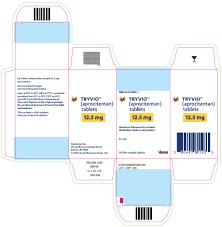
Secondly, aprecitentan also lowers blood pressure by antagonizing endothelinA receptors. Endothelin is a powerful vasoconstrictor that participates in the contraction and expansion of blood vessels. Endothelin binds to ETA receptors, causing vascular smooth muscle to contract, thereby causing an increase in blood pressure. By inhibiting this effect, Aprecitentan not only reduces vasoconstriction, but also improves vasodilation, further promoting the reduction of blood pressure.
Compared with other antihypertensive drugs, aprecitentan's dual mechanism of action gives it significant advantages in antihypertensive treatment. Especially when treating refractory hypertension, aprecitentan can effectively intervene in multiple links, improve vascular function, and combat various physiological mechanisms that cause blood pressure to rise. A large number of clinical studies have shown that aprecitentan can not only significantly reduce systolic blood pressure and diastolic blood pressure in monotherapy, but can also further improve the efficacy and reduce blood pressure fluctuations when used in combination with other antihypertensive drugs.
In addition, aprecitentan is well tolerated. Compared with some traditional antihypertensive drugs, aprecitentan has milder side effects, mainly manifesting as headache, edema and other minor symptoms, which makes it a good choice for patients with hypertension, especially elderly patients and patients taking multiple drugs.
Reference materials:https://go.drugbank.com/drugs/DB15059
[ 免责声明 ] 本页面内容来自公开渠道(如FDA官网、Drugs官网、原研药厂官网等),仅供持有医疗专业资质的人员用于医学药学研究参考,不构成任何治疗建议或药品推荐。所涉药品可能未在中国大陆获批上市,不适用于中国境内销售和使用。如需治疗,请咨询正规医疗机构。本站不提供药品销售或代购服务。


