
.jpeg)
Detailed explanation of midostaurin instructions: comprehensive interpretation from indications to side effects
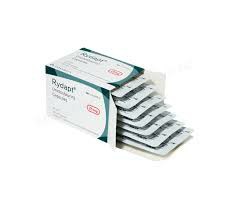
Midostaurin trade nameRYDAPT is a multi-target tyrosine kinase inhibitor mainly used to treat acute myeloid leukemia (< span>AML)as well as aggressive systemic mastocytosis (ASM), systemic mastocytosis with associated hematological neoplasms (SM-AHN), and mast cell leukemia (MCL). Its therapeutic mechanism blocks the proliferation of cancer cells and reduces the survival rate of leukemia or other hematological malignant tumor cells by inhibiting the activity of FLT3 receptor tyrosine kinase and various other kinases. Therefore, midostaurin provides significant efficacy in AML patients, especially those with FLT3 mutation-positive disease. This article will comprehensively explain the indications, usage and dosage, usage limitations, side effects and other key information of midostaurin.
1. Indications and treatment scope
1. Acute myeloid leukemia (AML)
Midostaurin is used in combination with standard cytarabine and daunorubicin (conventional chemotherapy drugs) to treat newly diagnosed adult patients with FLT3 mutation-positive AML. In clinical trials, midostaurin was shown to significantly prolong event-free survival (EFS) and overall survival (OS) in patients compared with chemotherapy alone. However, midostaurin is not suitable for single-agent induction therapy of AML and must be used in combination with other drugs such as cytarabine and daunorubicin to achieve optimal efficacy.
2. Aggressive systemic mastocytosis (ASM)
Midostaurin is also approved for the treatment of aggressive systemic mastocytosis (ASM), a condition that often accompanies other hematologic malignancies and is often challenging to treat. Midostaurin slows down the abnormal proliferation of mast cells by inhibiting the activity of multiple kinases, providing a new treatment option.
2. Usage and dosage
The use of midostaurin varies depending on the type of condition being treated. In the treatment of FLT3 mutation-positive AML, the recommended dose of midostaurin is 50 mg twice daily and should be taken with food. This helps reduce irritation of the drug to the gastrointestinal tract while promoting drug absorption.
For the treatment of aggressive systemic mastocytosis (For patients with ASM), systemic mastocytosis with associated hematological malignancies (SM-AHN), or mast cell leukemia (MCL), the recommended dose is 100 mg twice daily, also with food. This dose is slightly higher than the therapeutic dose for AML, mainly due to the high malignancy of these diseases and the need for stronger inhibitory effects.
3. Use restrictions
Midostaurin is not indicated for single-agent induction therapy in patients with acute myeloid leukemia. Midostaurin alone is not effective in inducing remission in AML and may lead to adverse clinical outcomes. Therefore, it must be used in combination with standard chemotherapy drugs such as cytarabine and daunorubicin. For AML patients with positive FLT3 mutations, midostaurin's mechanism of action is to prevent the proliferation of cancer cells by inhibiting FLT3 kinase activity, so its use should follow strict medical guidance.
4. Side effects and adverse reactions
Midostaurin side effects, although common, are mostly mild or moderate. Based on clinical trials and patient feedback, common adverse reactions of midostaurin include:
1. Gastrointestinal reactions: The most common adverse reactions are nausea, vomiting, diarrhea and loss of appetite. These reactions are usually caused by irritation of the gastrointestinal tract by the drug. To reduce these adverse reactions, patients are advised to take midostaurin with meals and can use anti-nausea drugs to relieve symptoms under the guidance of a doctor.
2. Abnormal liver function: Midostaurin may cause an increase in liver enzymes, and abnormal liver function is one of its more serious side effects. Patients need to regularly check their liver function while taking midostaurin to ensure that the use of the drug does not cause serious liver damage.
3. Hematological reactions: including reduced white blood cell count, anemia, and thrombocytopenia. Due to these hematological adverse reactions, patients need to regularly monitor blood routine in order to detect and deal with related problems in a timely manner.
4. Cardiac adverse reactions: Midostaurin may also cause heart-related side effects, such as arrhythmia. If patients experience chest pain, difficulty breathing and other symptoms during use, they should contact their doctor in time.
5. Risk of infection: Since midostaurin has a certain immunosuppressive effect, patients using this drug may be at a higher risk of infection, especially during chemotherapy.
Midostaurin is an important drug for the targeted treatment of acute myeloid leukemia (AML) and other hematological malignancies, especially for patients with FLT3 mutation-positive AML. Although side effects are common in clinical practice, most side effects can be controlled through reasonable medication management and timely monitoring. For doctors and patients, understanding the indications, dosage, and side effects of midostaurin is the key to ensuring successful treatment.
Reference materials:https://medlineplus.gov/druginfo/meds/a617033.html
[ 免责声明 ] 本页面内容来自公开渠道(如FDA官网、Drugs官网、原研药厂官网等),仅供持有医疗专业资质的人员用于医学药学研究参考,不构成任何治疗建议或药品推荐。所涉药品可能未在中国大陆获批上市,不适用于中国境内销售和使用。如需治疗,请咨询正规医疗机构。本站不提供药品销售或代购服务。


