
.jpeg)
How long does a course of giritinib usually take? Treatment cycle and effect expectations
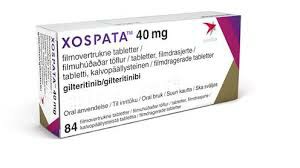
Gilteritinib is an oral targeted drug mainly used to treat patients with acute myeloid leukemia (AML), especially those with FLT3 gene mutations. FLT3 gene mutation is one of the common driver mutations in AML, leading to abnormal cell proliferation and growth, further promoting the survival of leukemia cells. Giritinib achieves the purpose of treatment by inhibiting the tyrosine kinase activity of FLT3 mutations, thereby blocking the proliferation and survival of leukemia cells.
1. Treatment cycle:
The treatment period of giritinib varies depending on the patient's clinical response, but generally, treatment is long-term until disease progression or unacceptable side effects occur. Typically, giritinib is taken orally once daily during the initial treatment phase, with the recommended dose being 120 mg. For individual patients, dosage may be adjusted based on treatment response and tolerability. If the patient responds well to giritinib treatment and has no serious adverse reactions, the treatment cycle can last for several months or even longer.
During treatment, patients need to regularly monitor hematological indicators, especially white blood cell count and liver and kidney function, to ensure the safety and effectiveness of the drug. For some patients, especially those in remission, giritinib may be continued as maintenance therapy to further consolidate the efficacy and prevent leukemia recurrence.
2. Expected results:
The clinical effect of giritinib has been widely verified. According to the results of clinical trials, giritinib has significant efficacy in patients with FLT3 mutation-positive acute myeloid leukemia. FLT3-ITD (intron insertion mutation) and FLT3-TKD (kinase domain mutation) are the two most common FLT3 mutation forms, and giritinib has shown good efficacy in AML patients with these two mutations. Clinical data show that giritinib can significantly improve the complete response (CR) rate, especially in patients who have received prior treatment but failed to achieve a good response.
Under the treatment of giritinib, some patients can achieve sustained disease control and the clinical symptoms of leukemia are significantly alleviated. In some cases, giritinib can enable patients to achieve longer disease-free survival (RFS), which is of great significance to prolonging patients' lives and improving their quality of life. However, despite the efficacy of giritinib, some patients may develop drug resistance, often after several months of treatment, especially when leukemia cells acquire new mutations or adapt to the drug's inhibitory effects.
3. Side effects and monitoring:
Common side effects of giritinib include abnormal liver function, QT interval prolongation, gastrointestinal symptoms (such as nausea, vomiting, diarrhea), etc. During treatment, patients need to undergo regular liver function and electrocardiogram tests to ensure that no serious side effects occur. If heart problems such as QT prolongation occur, your doctor may adjust the dose or consider discontinuing the drug.
In addition, giritinib may also cause hematological abnormalities, such as neutropenia, anemia, and thrombocytopenia. These side effects may increase the patient's risk of infection and bleeding, so infection prevention and monitoring need to be strengthened during treatment.
Reference materials:https://www.xospata.com/
[ 免责声明 ] 本页面内容来自公开渠道(如FDA官网、Drugs官网、原研药厂官网等),仅供持有医疗专业资质的人员用于医学药学研究参考,不构成任何治疗建议或药品推荐。所涉药品可能未在中国大陆获批上市,不适用于中国境内销售和使用。如需治疗,请咨询正规医疗机构。本站不提供药品销售或代购服务。


