
.jpeg)
Usage and dosage of baricitinib: According to the correct method and dosage recommended by your doctor
Baricitinib is an oral Janus kinase inhibitor (JAK inhibitor) mainly used to treat rheumatoid arthritis (RA) and other autoimmune diseases. It inhibits signal transduction in the immune system, slows down the inflammatory response, and achieves therapeutic effects by selectively inhibiting JAK1 and JAK2. The usage and dosage of baricitinib are adjusted based on the different indications, the patient's health condition, and the specific recommendations of the physician. The following are common uses, dosages and some guidance on baricitinib.
Rheumatoid Arthritis Dosage
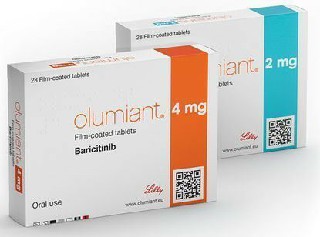
For patients with rheumatoid arthritis, baricitinib is often used as a second-line treatment for patients with moderately to severely active rheumatoid arthritis, especially when symptoms cannot be controlled by other antirheumatic drugs such as traditional antirheumatic drugs (DMARDs) or biologics. The recommended initial dose of baricitinib in such patients is 2 mg orally once daily. If the patient tolerates the drug well during treatment, the dose may be adjusted to 4 mg once daily based on clinical response and physician recommendations.
For those patients with existing severe renal insufficiency (such as renal tubular acidosis, dialysis patients) or moderate hepatic dysfunction, an initial dose of 2 mg once daily is usually recommended, and the patient's renal and liver function need to be closely monitored. If the patient's liver and kidney function change during treatment, further adjustment of the drug dose may be required.
Usage and dosage for other indications
In addition to rheumatoid arthritis, baricitinib is also used to treat other immune diseases, such as atopic dermatitis (Atopic Dermatitis) and complications after new coronavirus infection. For the treatment of atopic dermatitis, the dose of baricitinib may be similar to that used for the treatment of rheumatoid arthritis. For patients with mild to moderate atopic dermatitis, the recommended dose is usually 2 mg once a day, which can be adjusted to 4 mg once a day if the disease is well controlled. However, a patient's suitability for this dose should be evaluated by a physician.
For the treatment of complications after COVID-19 infection, the usage and dosage of baricitinib are different. The U.S. Food and Drug Administration (FDA) has approved the use of baricitinib in certain patients with severe COVID-19, especially those who require oxygen support or mechanical ventilation. In this setting, the recommended dose of baricitinib is 4 mg once daily, usually for 5 to 14 mgdays, the specific usage period depends on the patient's clinical manifestations and recovery. When using such drugs, patients need to be monitored under the guidance of a hospital or professional doctor.
Dose Adjustments for Special Populations
1. Elderly patients: For older patients, the dose adjustment of baricitinib usually does not require too many changes. Most older patients can take baricitinib at regular doses unless there are problems such as renal or liver dysfunction. In this case, the doctor may consider lowering the dose and monitoring closely.
2.Patients with hepatic and renal dysfunction: For patients with hepatic and renal dysfunction, special attention needs to be paid to dosage adjustment. In patients with moderate renal impairment, the recommended dose is 2 mg once daily, whereas in patients with severe renal impairment or on dialysis, a reduced dose and caution may be necessary. Likewise, patients with hepatic impairment also require dose adjustments when taking baricitinib and regular liver function tests during treatment.
3.Pregnant and lactating women: The safety of baricitinib when used during pregnancy has not yet been determined, so if women who are pregnant or planning to become pregnant need to use baricitinib, they must be strictly evaluated by a doctor. Baricitinib may also be excreted in breast milk, so use with caution or avoidance is recommended during breastfeeding.
Precautions for use and monitoring: The patient's health status needs to be closely monitored during the use of baricitinib. Patients should undergo regular blood tests and monitor blood cell counts, liver function, and kidney function to ensure that no serious adverse reactions occur. Baricitinib may cause some side effects, such as thrombosis, infection, abnormal liver function, etc. Therefore, special attention should be paid to the following points during use:
1.Risk of infection: Baricitinib suppresses the immune system, so the risk of infection increases during use. Patients should seek medical treatment promptly when they develop fever, cough, rash and other infection symptoms. Patients taking baricitinib need to be vaccinated under the guidance of a doctor and avoid contact with known sources of infection.
2. Thrombosis risk: Because baricitinib may increase the risk of thrombotic events, special attention should be paid to cardiovascular health when using baricitinib. For patients with a history of cardiovascular disease, caution is required when using baricitinib to avoid complications.
3. Monitoring of liver and kidney function: Monitoring of liver and kidney function is crucial for patients taking baricitinib. If abnormalities in liver or kidney function are found, the dose should be adjusted or medication should be suspended according to the guidance of a doctor.
Baricitinib is an effective immunosuppressive agent widely used to treat immune system diseases such as rheumatoid arthritis and atopic dermatitis. The usage and dosage of baricitinib can vary based on the patient's specific condition, physical condition, and physician recommendations. Patients should strictly follow the doctor's instructions to take the medicine, conduct relevant examinations regularly, and maintain communication with the doctor during the treatment process to ensure the efficacy and safety of the medicine.
Reference materials:https://www.mims.com/hongkong/drug/info/baricitinib?mtype=generic
[ 免责声明 ] 本页面内容来自公开渠道(如FDA官网、Drugs官网、原研药厂官网等),仅供持有医疗专业资质的人员用于医学药学研究参考,不构成任何治疗建议或药品推荐。所涉药品可能未在中国大陆获批上市,不适用于中国境内销售和使用。如需治疗,请咨询正规医疗机构。本站不提供药品销售或代购服务。


