
.jpeg)
In type 2 diabetes, switching from dulaglutide to tilsiparatide/tilpotide improves HbA1c reduction
New research shows that the medication choices patients with type 2 diabetes take may have a significant impact on their blood sugar control and weight management. The data showed that patients who switched to Tirzepatide experienced an average 0.77% reduction in HbA1c values u200bu200bcompared with participants who took a higher dose of Dulaglutide. Additionally, more tilsiparatide participants reached the disease improvement threshold known for its weight loss effects.
Time is of the essence in diabetes care. We know that 50% of people with type 2 diabetes do not meet their blood sugar goals. This phenomenon has prompted researchers to delve deeper into the effects of different drugs. The study was a randomized, open-label, active-controlled Phase 4 clinical trial. Study participants included patients with an HbA1c value between 7% and 9.5%, a BMI of 25kg/m² or higher, and who were receiving 0.75mg or 1.75mg of dulaglutide. Participants were randomly assigned to receive tilsiparatide (n=139) or a higher dose of dulaglutide (n=143). Over the course of the study, the drug doses were gradually increased, reaching a maximum dose of 15 mg for tilsiparatide and 4.5 mg for dulaglutide, or the maximum dose tolerated by the participants.
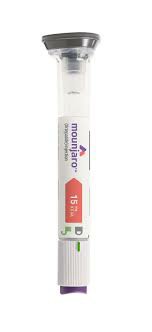
The primary and secondary endpoints of the study werechange in HbA1c and change in body weight from baseline to 40 weeks, respectively. The study results showed that during the study period, the changes in HbA1c in the tilsiparatide group and the dulaglutide group were -1.44% and -0.67%, respectively, with an estimated treatment difference of -0.77% and a confidence interval of -0.98% to -0.56%. This suggests that tilsiparatide is superior to increasing doses of dulaglutide in improving glycemic control. In addition, overall, 21.3% of patients treated with tilsiparatide had HbA1c values u200bu200bbelow 5.7%, compared with only 2.4% of those treated with dulaglutide.
In terms of weight change, participants in the tilsiparatide group lost 10.5 kg over 40 weeks, while those in the dulaglutide group lost 3.6 kg, with an estimated treatment difference of 6.9 kg and a confidence interval of -8.3 kg to -5.5 kg. The study also found that 58% and 6.8% of patients lost weight after taking tilsiparatide and dulaglutide, respectively.10% or more is considered a significant disease-modifying effect.
However, it is worth noting that in terms of adverse events,7.2% of tilsiparatide participants and 7% ofdulaglutide participants reported serious adverse events, with the most common side effects including nausea and diarrhea. The researchers acknowledged that although tilsiparatide performed well in terms of glycemic control and weight loss, there were several limitations to the study, including its duration, limited sample size, and open-label nature.
Clinicians need to consider several factors when deciding whether to upgrade or switch medications, including the additional cost of the drug, patient tolerability, potential adverse effects, and the potential to reduce the risk of cardiovascular events, a leading cause of death in patients with diabetes. This study highlights the importance of medication selection and suggests that further research is needed to assess the impact of medication switching on long-term outcomes.
References:https://www.healio.com/news/primary-care/20250407/tirzepatide-tied-to-greater-weight-loss-glucose-control-vs-escalated-dulaglutide
[ 免责声明 ] 本页面内容来自公开渠道(如FDA官网、Drugs官网、原研药厂官网等),仅供持有医疗专业资质的人员用于医学药学研究参考,不构成任何治疗建议或药品推荐。所涉药品可能未在中国大陆获批上市,不适用于中国境内销售和使用。如需治疗,请咨询正规医疗机构。本站不提供药品销售或代购服务。


