
.jpeg)
Can I stop taking Teritolumab once I start it? What will be the effects after stopping the medication?
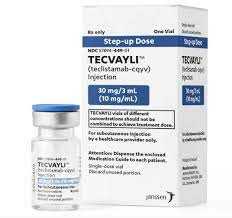
Teritusumab (Teclistamab) is a new type of immunotherapy drug, mainly used to treat multiple myeloma and other diseases. It is a bispecific antibody that can simultaneously target and bind to the B cell maturation antigen (BCMA) and the T cell surface antigen CD3, thereby activating the immune system and helping the body recognize and attack tumor cells. Teritusumab has achieved remarkable clinical results in the treatment of multiple myeloma, but patients will have many issues to pay attention to during the treatment process. One of them is whether the drug can be stopped during the treatment process and what effects may occur after the drug is stopped.
1. Long-term use in teritusumab treatment
Teritusumab treatment usually needs to be maintained for a long period of time to ensure the sustainability and maximization of efficacy. For patients with multiple myeloma, treatment with teritusumab can effectively inhibit tumor growth and relieve symptoms, especially when traditional treatments are ineffective. Studies have shown that teritusumab can significantly extend progression-free survival and overall survival during treatment, especially in those who have received multiple rounds of treatment but still have disease progression. Because of its important role in the immune system, treatment usually needs to be continued to ensure that the immune system remains active and can continue to fight tumor cells.
2. Effects after stopping the drug
Although teritusumab is a very effective immunotherapy, it is not suitable for all patients and should not be discontinued completely during treatment. After stopping the drug, the patient's immune system activity may gradually decline, leading to tumor cell reactivation and recurrence. In fact, studies show that most patients experience a recurrence of their disease after stopping the medication, especially within a few months. In these patients, tumor growth may accelerate and the condition may worsen rapidly. Therefore, once treatment with teritusumab is started, patients should continue treatment according to their doctor's recommendations and avoid interrupting treatment at will.
In addition, changes in the immune response may occur after discontinuation of the drug. Teritusumab targets and kills tumor cells by activating T cells of the immune system, so the activity of the immune system may be weakened after discontinuation of treatment, especially in the early stages of treatment. If the patient stops taking the drug without the doctor's permission, it may lead to insufficient immune function, thereby reducing the ability to fight tumors.
3. Conditions and clinical judgment for discontinuation of medication
Patients must work closely with their physician regarding the use and discontinuation of teritusumab. Although discontinuation of medication may result in some adverse consequences, in some cases doctors may decide whether to suspend or terminate treatment based on the patient's specific circumstances. For example, doctors may consider suspending treatment if a patient experiences serious side effects during treatment or if the disease is effectively controlled without significant risk of recurrence. However, this decision must be based on careful clinical assessment and the patient's health status.
In some cases, if a patient's condition is under control and there is no further disease progression, doctors may adopt a more personalized treatment plan, such as extending the treatment cycle or adjusting the drug dosage to reduce side effects while maintaining efficacy. This condition often requires regular monitoring of the patient's health to ensure the safety of the treatment.
4. The choice of continuing treatment and re-treatment
If a patient experiences disease recurrence after discontinuing the drug, the treatment plan is usually re-evaluated. In some cases, patients may be restarted on teritusumab, especially if their tumors recur or progress. Restarting treatment may help restore immune system function and re-inhibit tumor growth. However, re-treatment may face certain challenges because the patient's immune system and tumor cells may have undergone certain changes, causing the drug to have different effects. Therefore, whether to restart treatment after discontinuation requires detailed evaluation and expert advice.
In general, as an effective immunotherapy drug, discontinuation of teritusumab during treatment will lead to certain risks, especially the risk of relapse. Therefore, patients should not stop taking the medication on their own and must make adjustments under the guidance of a doctor during treatment. If the potential side effects of teritusumab treatment or the effective control of the disease are considered, the doctor may make recommendations to adjust or suspend treatment, but this decision must be based on the patient's specific condition and the doctor's judgment. After stopping the drug, patients should receive regular health monitoring so that problems can be detected promptly and measures can be taken to deal with disease recurrence or other complications.
Reference materials:https://www.tecvayli.com/
[ 免责声明 ] 本页面内容来自公开渠道(如FDA官网、Drugs官网、原研药厂官网等),仅供持有医疗专业资质的人员用于医学药学研究参考,不构成任何治疗建议或药品推荐。所涉药品可能未在中国大陆获批上市,不适用于中国境内销售和使用。如需治疗,请咨询正规医疗机构。本站不提供药品销售或代购服务。


