
.jpeg)
What are the contraindications to bimetinib? Who is not suitable to use this medicine?
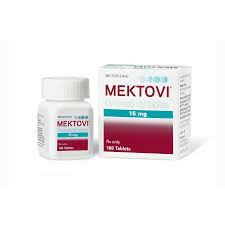
Binimetinib is a targeted drug used to treat certain types of cancer, especially melanoma patients with specific genetic mutations. Although it has clinically significant therapeutic effects, it also has certain contraindications and certain groups of people are not suitable for using the drug. The following is a detailed analysis of the contraindications of bimetinib and the groups who are not suitable for using the drug.
1. Pregnant and lactating women
Bimetinib is a targeted drug that may cause harm to pregnant and breastfeeding women. Animal studies have shown that bimetinib may have adverse effects on the fetus and therefore the drug should not be used by pregnant women. The use of bimetinib may lead to serious consequences such as fetal development disorders, malformations or premature birth. In addition, it is unclear whether the drug can be excreted through breast milk. Therefore, if bimetinib is used in lactating women, it is usually recommended to suspend breastfeeding and evaluate the risks and benefits of using the drug under the guidance of a doctor.
2. Patients with liver dysfunction
Bimetinib is mainly metabolized by the liver, so patients with poor liver function may face problems such as slow drug metabolism and drug accumulation when using this drug. For patients with severe liver dysfunction, such as those with a history of cirrhosis or hepatitis, the use of bimetinib may aggravate drug toxicity and even cause liver failure. Therefore, patients with hepatic insufficiency should avoid using bimetinib, or their liver function needs to be closely monitored during use, and the drug dose should be adjusted appropriately based on the monitoring results.
3. Patients with severe heart disease
Bimetinib may have certain effects on heart function during treatment, especially in patients with a history of heart disease. Bimetinib may cause heart-related side effects, such as bradycardia and abnormal electrocardiogram. Therefore, patients with severe heart disease, especially those with heart failure, arrhythmias and other diseases, need to carefully assess their risks before using bimetinib. In some cases, the use of bimetinib may need to be avoided or used under strict supervision by a doctor.
4. Patients with hypertension
The use of bimetinib may cause an increase in blood pressure, especially in some patients who already have hypertension. Patients with high blood pressure may be at risk of further increases in blood pressure when using bimetinib, which may increase the risk of heart disease and stroke. Therefore, for patients with existing hypertension, blood pressure needs to be closely monitored when using bimetinib and blood pressure control should be performed as needed. If blood pressure is not effectively controlled, treatment may need to be adjusted or bimetinib may need to be temporarily discontinued.
5. Patients with renal insufficiency
The metabolism of bimetinib is mainly dependent on the liver, but patients with renal insufficiency still need to use this drug with caution. Although the excretion of bimetinib is primarily through the liver, accumulation of the drug may lead to drug toxicity in patients with renal insufficiency. Therefore, bimetinib should be used with caution in patients with renal insufficiency, especially in patients with severe renal insufficiency that may require dose adjustment or the search for alternative drugs.
6. Patients with abnormal immune system
Bimetinib, as a targeted therapy, may affect immune system function. For those patients with weak immune systems or immunocompromised patients (such as patients with AIDS or patients receiving immunosuppressive treatment), bimetinib may increase the burden on the immune system and increase the risk of infection. In addition, the drug may cause some immune-related adverse reactions, such as rash, allergic reactions, etc. Therefore, patients with abnormal immune systems should avoid using bimetinib or use it with extreme caution and closely monitor for possible immune system reactions.
7. Patients with allergic reactions
Some patients may have allergic reactions to Bimetinib, with allergic symptoms such as rash, itching, shortness of breath, and facial swelling. Patients who are allergic to bimetinib or its components should avoid using this drug. If any allergic reaction occurs during use, stop using it immediately and seek medical advice.
Bimetinib, as a targeted drug, has good efficacy in the treatment of melanoma and other cancers. However, patients need to understand the contraindications when using bimetinib and make personalized treatment choices based on their health conditions. Especially patients who are pregnant, breastfeeding, with liver insufficiency, heart disease, hypertension, immune system abnormalities, etc. should avoid using bimetinib or use bimetinib with caution under the guidance of a doctor. The use of any medication should take the patient's overall health into consideration to ensure the safety and effectiveness of the treatment.
Reference materials:https://go.drugbank.com/drugs/DB11967
[ 免责声明 ] 本页面内容来自公开渠道(如FDA官网、Drugs官网、原研药厂官网等),仅供持有医疗专业资质的人员用于医学药学研究参考,不构成任何治疗建议或药品推荐。所涉药品可能未在中国大陆获批上市,不适用于中国境内销售和使用。如需治疗,请咨询正规医疗机构。本站不提供药品销售或代购服务。


