
.jpeg)
Dosage and dosage of nintedanib: Recommended dosage and usage. Do you need to adjust the dosage according to the doctor's advice?
Nintedanib is a tyrosine kinase inhibitor mainly used to treat pulmonary fibrosis and specific types of lung cancer, such as non-small cell lung cancer (NSCLC). Nintedanib slows down the progression of the disease and effectively controls the development of lung lesions by inhibiting multiple signaling pathways in the fibrosis process. The following is the usage and dosage of nintedanib, guidance on dosage adjustment, and matters needing attention when using it.
1. Recommended dosage and usage
The usual dose of nintedanib is 150 mg twice daily Typically, medications should be taken with food to reduce gastrointestinal discomfort. It is best to choose a fixed time point when taking it and maintain the regularity of twice a day to ensure maximum efficacy and stable concentration of the drug in the body. For first-time users, it is recommended to start with a lower dose, such as 100 mg twice daily, in order to assess the patient's tolerance of the drug. As the patient adapts, the dose can be adjusted as needed.
2. Basics for dose adjustment
The dose of nintedanib may need to be adjusted based on patient tolerance. Common side effects include gastrointestinal reactions (such as diarrhea, nausea, vomiting, etc.), abnormal liver function, etc. If a patient experiences serious side effects during use, the doctor may temporarily stop the medication or reduce the dose depending on the specific situation until the side effects are relieved. For example, if diarrhea is severe, consider reducing the dose or using symptomatic medications to relieve symptoms. Hepatic impairment may also require dosage adjustment. Doctors will regularly monitor patients' liver function indicators and make dosage adjustments if necessary.
For patients with abnormal liver function, if the transaminase level rises to more than 3 times the upper limit of normal, medication may need to be suspended until the transaminase level returns to normal. In some cases, if the patient's transaminase levels return to a near-normal range, treatment may be restarted, but at a reduced dose.
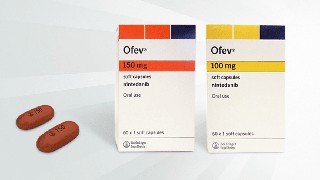
3. Dose adjustment for special populations
Nintedanib should be used with caution in elderly patients, patients with compromised hepatic function, or other patients with special medical conditions. Drug metabolism in these patients may differ from that in the general population and dose adjustments may be required. In patients with moderate or severe hepatic impairment, the use of nintedanib may require special caution or even be avoided entirely. In these patients, doctors usually make dose adjustments based on the patient's individual condition and monitor them regularly.
4. Precautions when using
When taking nintedanib, patients need to follow the doctor's instructions and regularly review relevant physical examination indicators. Common examination items include liver function (such as transaminase, bilirubin, etc.), as well as renal function and blood routine. Because nintedanib may cause liver damage, patients should work closely with their doctor during treatment, especially early in the treatment, to ensure that drug-induced liver damage does not occur.
Additionally, nintedanib may cause gastrointestinal upset, most commonly diarrhea. To reduce the occurrence of diarrhea, patients can take the following measures: maintain adequate fluid intake, avoid irritating foods, and seek medical attention promptly when diarrhea is severe. The doctor may adjust the treatment plan appropriately based on the patient's diarrhea, or recommend antidiarrheal medications to relieve symptoms.
While taking nintedanib, patients should avoid self-adjustment of dosage or interruption of treatment unless specifically directed by their physician. Any dosage adjustment should be guided by a professional physician based on the patient's specific conditions, and should be comprehensively judged based on drug side effects and clinical efficacy.
In short, the dosage and method of use of nintedanib need to be individually adjusted based on the patient's specific condition and tolerance. Patients should pay close attention to their own reactions, receive relevant examinations regularly, and strictly follow the doctor's recommendations to ensure the safety and efficacy of treatment.
Reference materials:https://en.wikipedia.org/wiki/Nintedanib
[ 免责声明 ] 本页面内容来自公开渠道(如FDA官网、Drugs官网、原研药厂官网等),仅供持有医疗专业资质的人员用于医学药学研究参考,不构成任何治疗建议或药品推荐。所涉药品可能未在中国大陆获批上市,不适用于中国境内销售和使用。如需治疗,请咨询正规医疗机构。本站不提供药品销售或代购服务。


