
.jpeg)
Indications of upadatinib: What diseases is it suitable for treating? Are there any clinical studies on other unapproved indications?
Upadacitinib is an oral Janus kinase (JAK) inhibitor that has been approved for the treatment of a variety of immune-mediated diseases, especially rheumatic diseases. It regulates the inflammatory response of the immune system by inhibiting the activity of JAK1 enzyme, thereby reducing the symptoms of related diseases. The main indications for upadacitinib include rheumatoid arthritis, ulcerative colitis and other immune-mediated diseases.
Upapatinib was initially approved to treat rheumatoid arthritis. Upadatinib offers a new treatment option for adult patients who have failed to respond to traditional disease-modifying antirheumatic drugs (DMARDs) or biologics. It significantly reduces joint pain, swelling and other rheumatic symptoms and improves patients' quality of life. Additionally, upadatinib is approved for the treatment of ulcerative colitis. By reducing intestinal inflammation, upadatinib helps patients relieve symptoms such as abdominal pain and diarrhea and maintain long-term remission.
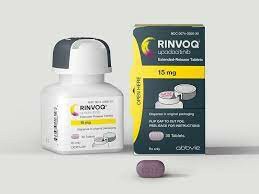
In addition to its approved indications, upadatinib is undergoing clinical studies in multiple unapproved indications. For example, researchers are exploring the potential of upadatinib in treating atopic dermatitis (eczema), particularly in adult and pediatric patients who have failed conventional treatments. Preliminary clinical data show that upadatinib has shown good results in relieving skin inflammation and itching, making it a research hotspot in the field of dermatology.
Upadatinib has shown excellent efficacy in studies for unapproved indications. For example, in clinical trials for rheumatoid arthritis, patients often experienced significant symptom relief and higher rates of joint inflammation regression after taking upadacitinib. In patients with ulcerative colitis, upadatinib has also shown potential to help maintain long-term remission and reduce disease recurrence.
Although upadatinib has significant efficacy in the treatment of immune-mediated diseases, its side effects also require special attention. Common side effects include upper respiratory tract infection, headache, and gastrointestinal discomfort, and a small number of patients may experience more serious side effects, such as increased risk of thrombosis or infection. Therefore, in clinical application, doctors need to comprehensively consider the patient's overall health status and strictly monitor adverse reactions during treatment.
In general, upadatinib, as a powerful immunosuppressive drug, has shown positive efficacy in the treatment of multiple immune-mediated diseases, and its research in unapproved indications is also progressing steadily.
Reference materials:https://www.rinvoq.com/
[ 免责声明 ] 本页面内容来自公开渠道(如FDA官网、Drugs官网、原研药厂官网等),仅供持有医疗专业资质的人员用于医学药学研究参考,不构成任何治疗建议或药品推荐。所涉药品可能未在中国大陆获批上市,不适用于中国境内销售和使用。如需治疗,请咨询正规医疗机构。本站不提供药品销售或代购服务。


