
.jpeg)
Once resistant to molotinib/mometinib, will there be lifelong resistance? Strategies to deal with treatment resistance
Momelotinib/Momelotinib, as an innovative three-target JAK inhibitor for the treatment of myelofibrosis, occupies a place in the field of JAK inhibitors due to its advantages in improving anemia. However, just like other targeted drugs, some patients may develop drug resistance after long-term use, manifested by weakened spleen shrinkage, poor symptom control, or worsening anemia. It is worth noting that once resistance to molotinib does not mean lifelong resistance, its mechanism is reversible to a certain extent, and there are still many available strategies for treatment.
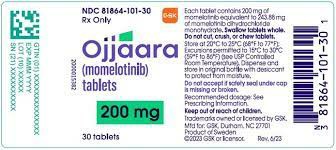
The mechanisms of drug resistance usually include target mutations, activation of alternative signaling pathways, or changes in drug metabolism. In some patients, additional mutations may occur in the JAK2 gene, leading to changes in the drug binding site and thus affecting the targeting ability of molotinib. Some studies also suggest that changes in the bone marrow microenvironment or reactivation of inflammatory factors can lead to the reconstruction of drug resistance-related signaling pathways. In addition, resistance does not always originate from target mutations, but may also be caused by poor patient compliance, insufficient dosage, or comorbid diseases that affect drug efficacy.
If drug resistance is suspected clinically, hemogram, biochemistry, spleen volume changes and symptom scores should be reviewed first, and whether it is pseudo-drug resistance (such as dosage issues) should be evaluated. For true biological resistance, current strategies include: switching to other types of JAK inhibitors such as fedratinib or ruxolitinib; combined use of anemia-improving drugs such as luspatercept; some patients may also consider participating in new drug clinical trials, such as BET inhibitors, BCL-2 inhibitors and other emerging target drugs.
Importantly, resistance to molotinib is not irreversible. Some patients can recover partial responses after stopping the drug for a period of time or by adjusting the dose. This shows that its resistance mechanism and mutation accumulation are different from traditional chemotherapy resistance, and there is no need to "talk about color change". In addition, for patients with opportunities for hematopoietic stem cell transplantation, transplantation indications should be evaluated at an early stage of drug resistance to avoid delaying the opportunity for radical treatment.
Reference materials:https://en.wikipedia.org/wiki/Momelotinib
[ 免责声明 ] 本页面内容来自公开渠道(如FDA官网、Drugs官网、原研药厂官网等),仅供持有医疗专业资质的人员用于医学药学研究参考,不构成任何治疗建议或药品推荐。所涉药品可能未在中国大陆获批上市,不适用于中国境内销售和使用。如需治疗,请咨询正规医疗机构。本站不提供药品销售或代购服务。


